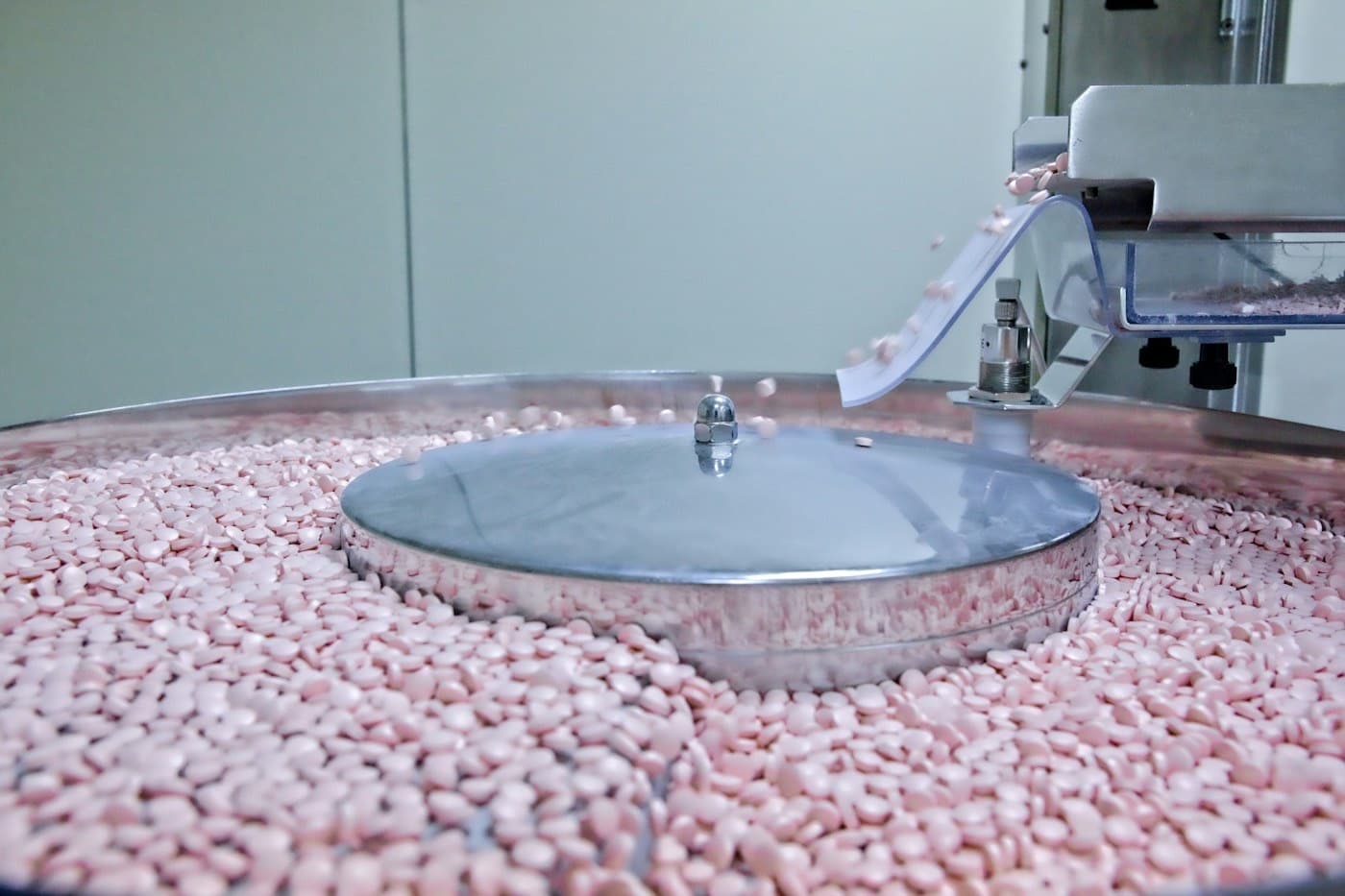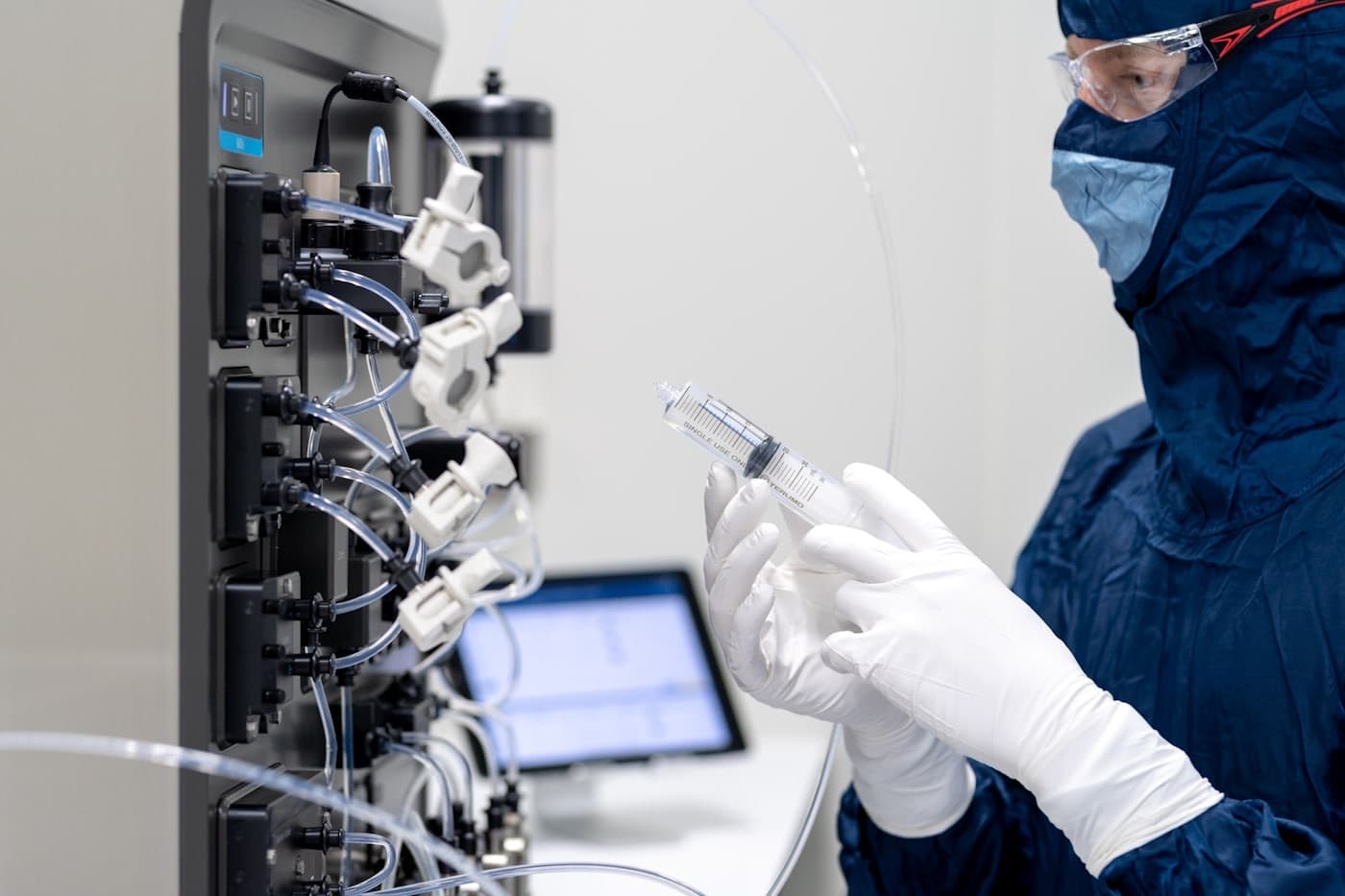
Yes — Houston is in the early stage of a genuine life sciences and biomanufacturing boom, and it changes what local employers in that sector need to build to compete for talent. Eli Lilly is investing more than $6.5 billion in a new active pharmaceutical ingredient plant at Generation Park in northeast Houston, bringing 615 new high-wage jobs and roughly 4,000 construction jobs to the region. That single project sits inside a much bigger shift — Houston's life sciences workforce is projected to grow 76.5% over the next ten years, and the companies riding that growth are about to compete hard for the same scientists, engineers, and technicians.
Here's what's actually being built, what the growth numbers say, and what it means for how Houston life sciences and advanced manufacturing employers need to show up starting now.
What's Actually Happening at Generation Park
Generation Park, a 4,000-acre master-planned development in northeast Houston, is quickly becoming the anchor of the region's biomanufacturing push:
- Eli Lilly's $6.5 billion facility will occupy a 236-acre site and manufacture active pharmaceutical ingredients, including orforglipron, Lilly's oral GLP-1 candidate — with the plant expected to be operational within five years
- 615 new high-wage jobs are coming directly from the Lilly facility, spanning engineers, scientists, operations staff, and lab technicians
- BioHub Two, a 45-acre biomanufacturing campus, adds another 500,000 square feet of lab, office, and cGMP manufacturing space designed to draw more life sciences companies to the same corridor
- San Jacinto College and Texas Medical Center signed a workforce agreement in April 2026 to expand hands-on biotech training and build a direct talent pipeline into these facilities
(Sources: Houston.org, REBusinessOnline)
The Numbers Behind Houston's Life Sciences Growth
The Lilly plant is the headline, but the underlying trend is bigger than one company:
- Houston's life sciences employment is projected to grow 76.5% over the next decade, a pace far ahead of most other sectors in the region
- The region already has roughly 28,000 life sciences professionals and nearly 400,000 healthcare workers to build on
- Every dollar Lilly spends locally is expected to generate up to four more dollars in local economic activity, with manufacturing jobs typically supporting several more in supply chain, logistics, and retail
- Greater Houston Partnership leadership has pointed to Lilly's investment, alongside other major commitments, as evidence that global companies are betting on Houston's long-term workforce
(Source: Governor's Office)
Why This Creates a Recruiting Video Problem, Not Just an Opportunity
A sector growing 76.5% in ten years sounds like good news for every company in it, and it is — until you look at who's actually competing for the workforce that growth requires.
Every new facility is also a new competitor for the same scientists and technicians. Lilly's 615 open roles, BioHub Two's future tenants, and every existing Houston life sciences employer are now drawing from the same limited pool of qualified people — many of whom have offers from other markets entirely.
Candidates in this sector research employers on video before they apply. Engineers and scientists deciding between offers look for what the lab looks like, who they'd work alongside, and what the culture actually feels like day to day — not a job posting with a stock photo.
Training pipelines take years to catch up to hiring needs. The San Jacinto–TMC partnership is a real signal of long-term investment, but it won't fill roles opening this year. Employers who earn attention now, while the pipeline is still building, get first pick of the talent that exists today.
What Life Sciences & Manufacturing Employers Should Build Now
With this many new roles opening across the same corridor, a few concrete moves earn the most attention with the talent this sector needs:
- Build a recruiting film that shows the actual facility, the actual team, and the actual work — made for the specific candidate deciding between Houston and somewhere else
- Capture founder- and leadership-led content that gives a growing company a face before a candidate ever reaches an interview
- Produce short-form culture content built for LinkedIn and the platforms where scientists and engineers are actually spending time researching employers
- Document the buildout itself — construction, first hires, first equipment on-site — so the story is already made for the screen once the facility opens
This is exactly the kind of work an Always-On Content program or a dedicated recruiting film is built for — video designed to convert a qualified candidate into an applicant before a competing employer down the road does.
Where This Leaves Houston's Growing Life Sciences Sector
A $6.5 billion plant and a projected 76.5% employment jump are genuinely good news for Houston — more high-wage jobs, more investment, more reasons for talent to build a career here instead of somewhere else. But it also means every life sciences and advanced manufacturing employer in this corridor is now recruiting in a market with more open roles and more first-time candidates evaluating Houston than it's seen in years. The employers that earn the best talent this year will be the ones with watchable, scroll-stopping recruiting video ready before the next facility breaks ground, not after.
If your life sciences or manufacturing company needs recruiting or corporate video built for this hiring window, start a project and we'll build the video made to earn the attention this workforce actually pays attention to.