Yes — Houston's retail market is tighter than it has been in years, and that scarcity is quietly changing what it takes for a local brand to win a customer. Weitzman Group's mid-2026 analysis puts marketwide retail occupancy at 95.2% across 168.9 million square feet of multi-tenant space, with chain closings limited and expanding retailers absorbing whatever vacancies remain. Good news if you already have a location. A harder problem if you're trying to stand out inside one.
Here is what the numbers actually say, why a full retail market changes the marketing math, and what Houston brands should build now that a storefront alone isn't enough to earn attention.
What the 2026 Houston Retail Numbers Actually Say
Weitzman's report is specific, and the specifics matter more than the headline:
- 95.2% occupancy marketwide across Houston's multi-tenant retail projects of 25,000+ square feet
- 168.9 million square feet of retail space tracked in the analysis
- ~1.8 million square feet of new and expanded retail space projected for delivery in 2026, up from 1.2 million square feet in 2025
- New development concentrated in anchor and junior anchor space, with limited chain closings pulling down available vacancy even further
- Deliveries remain conservative relative to Houston's overall economic size, per Weitzman — this isn't a building boom outpacing demand, it's steady absorption of what already exists
(Source: Connect CRE)
A market running at 95.2% occupancy is a market where good real estate is genuinely scarce — and where the businesses that already have a lease are surrounded by more competitors than they used to be, packed into less available space.
Why a Full Retail Market Raises the Marketing Stakes
For years, opening in the right shopping center or the right stretch of a busy corridor did a chunk of the marketing work by itself. Foot traffic found the storefront. That math changes once the market fills up.
More retailers are competing for the same foot traffic. When vacancy shrinks, every open storefront sits closer to more open competitors, all pulling from the same pool of nearby customers. Location alone stops being a differentiator once nearly every location is occupied.
New entrants have to earn discovery before they can earn a visit. A retailer opening into 2026's 1.8 million square feet of new space is opening into a market where the easy real estate is already gone — often meaning a location a few minutes further from the densest traffic, one that has to be found online before it's found on foot.
Existing tenants can't coast on being "the one that's already there." Expanding retailers are actively absorbing vacancies, which means more brands are actively moving into a shopper's radius every quarter. Standing still while the market fills in around you is how a business quietly loses share.
What This Means for How Local Brands Actually Compete
When the physical differentiator — space, location, visibility — gets scarcer, the digital differentiator has to work harder. A shopper deciding between three retailers on the same stretch of road is deciding before they ever pull into a parking lot, usually from a phone screen. What they see there is doing the work a storefront used to do on its own:
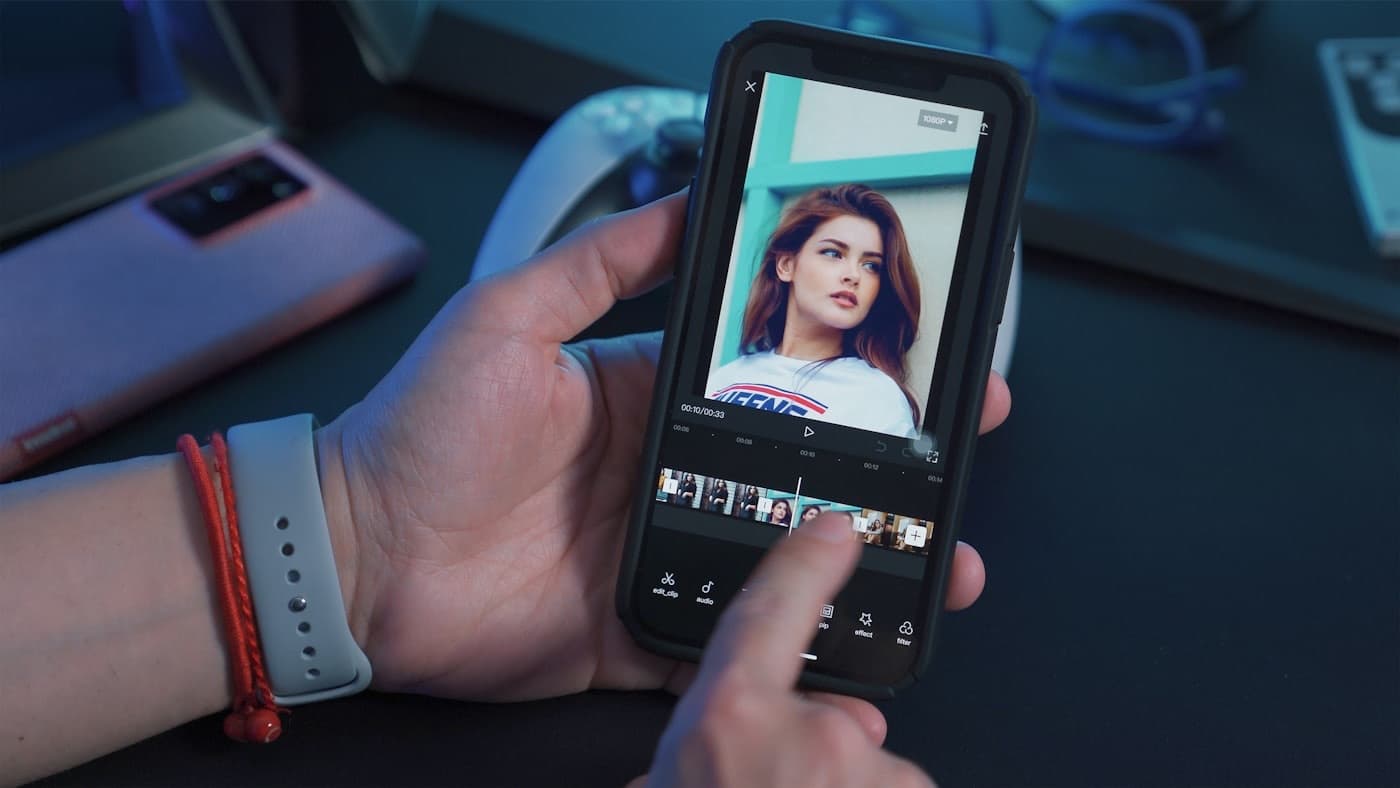
- Product and space video that makes the case before the visit — a shopper who has already watched what a store, showroom, or menu looks like arrives more ready to buy than one working off a static photo
- Founder and staff-led content that gives a brand a face and a voice in a market where every competitor nearby looks similarly "occupied" and legitimate
- Short-form video built for local discovery — the kind that shows up in a Reels or TikTok search for "best [category] near me," not just a Google Maps pin
- Consistent content on a real cadence, so a brand shows up in a feed repeatedly instead of relying on a single passerby glance at a storefront sign
This is exactly the gap Always-On Content programs are built to close — showing up in front of the customer before the parking lot, not just after.
What Houston Retail Brands Should Build Right Now
With occupancy this tight and more retailers landing in every corridor throughout the second half of 2026, a few concrete moves are worth making now:
- Shoot the space now, while the store, showroom, or counter looks its best — before a competitor two doors down does it first
- Build a short-form content cadence that treats the feed as seriously as the storefront, since that's genuinely where more of the discovery happens now
- Give the brand a face — staff, founder, real customers — so it reads as a specific choice, not one of several similarly occupied options on the same block
- Track what's actually converting foot traffic, not just what's earning likes, so content spend maps to real visits and real revenue
A full retail market rewards the brands that make the case for a visit before the visit happens. If your Houston business is competing for attention in a market with less open space and more open competitors, start a project and we'll build the content that earns the visit before the parking lot does.