Starting a branded podcast comes down to five decisions: your format, your host, your gear, how you record, and your plan for turning episodes into content. Get those right and a podcast becomes one of the most durable marketing assets your business owns. Here's how to make each call.
1. Start with the format and the goal
Before you buy a single microphone, decide what the show is for. A podcast can:
- Position your team as the experts in your field
- Build relationships by interviewing clients, partners, and industry leaders
- Give your sales team warm content to share
- Feed your social channels with a steady stream of clips
Pick one primary goal. It decides your format — solo, co-hosted, or interview — and how long each episode should run. Most business podcasts land between 20 and 45 minutes.
2. Choose the right host
The host makes or breaks a show. It should be someone who knows the subject, is comfortable on camera, and can hold a real conversation. That's often the founder, but it doesn't have to be. Consistency matters more than polish — audiences follow people they trust, not perfect delivery.
3. Audio-only or video?
In most cases, film it. A video podcast gives you everything an audio show does, plus the short clips that actually get discovered on social and the on-camera presence that builds trust. Audio-only is fine if your audience mostly listens on commutes — but even then, filming it means you can publish clips later. When in doubt, shoot video.
4. The gear you actually need
It's easy to overspend here. The essentials:
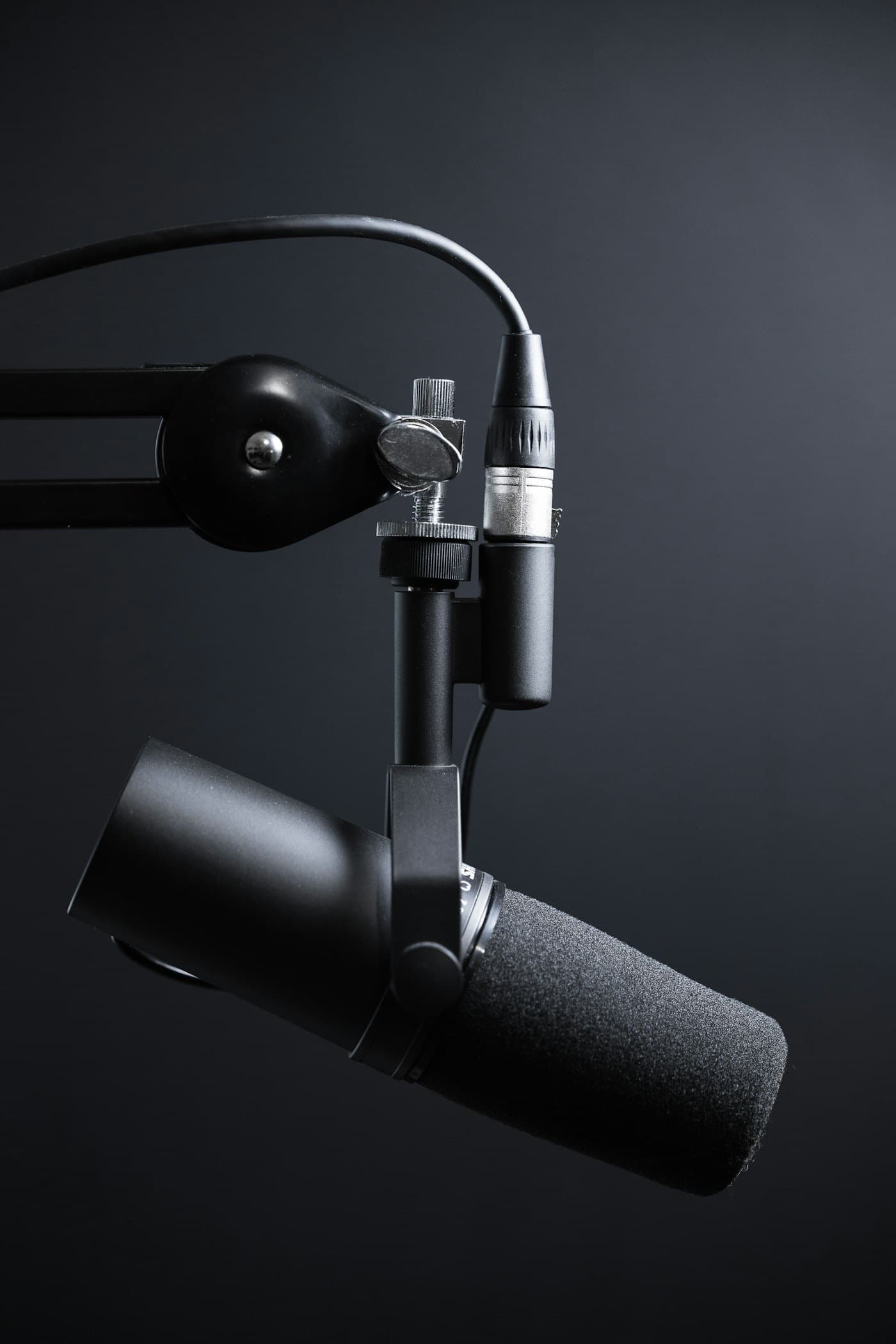
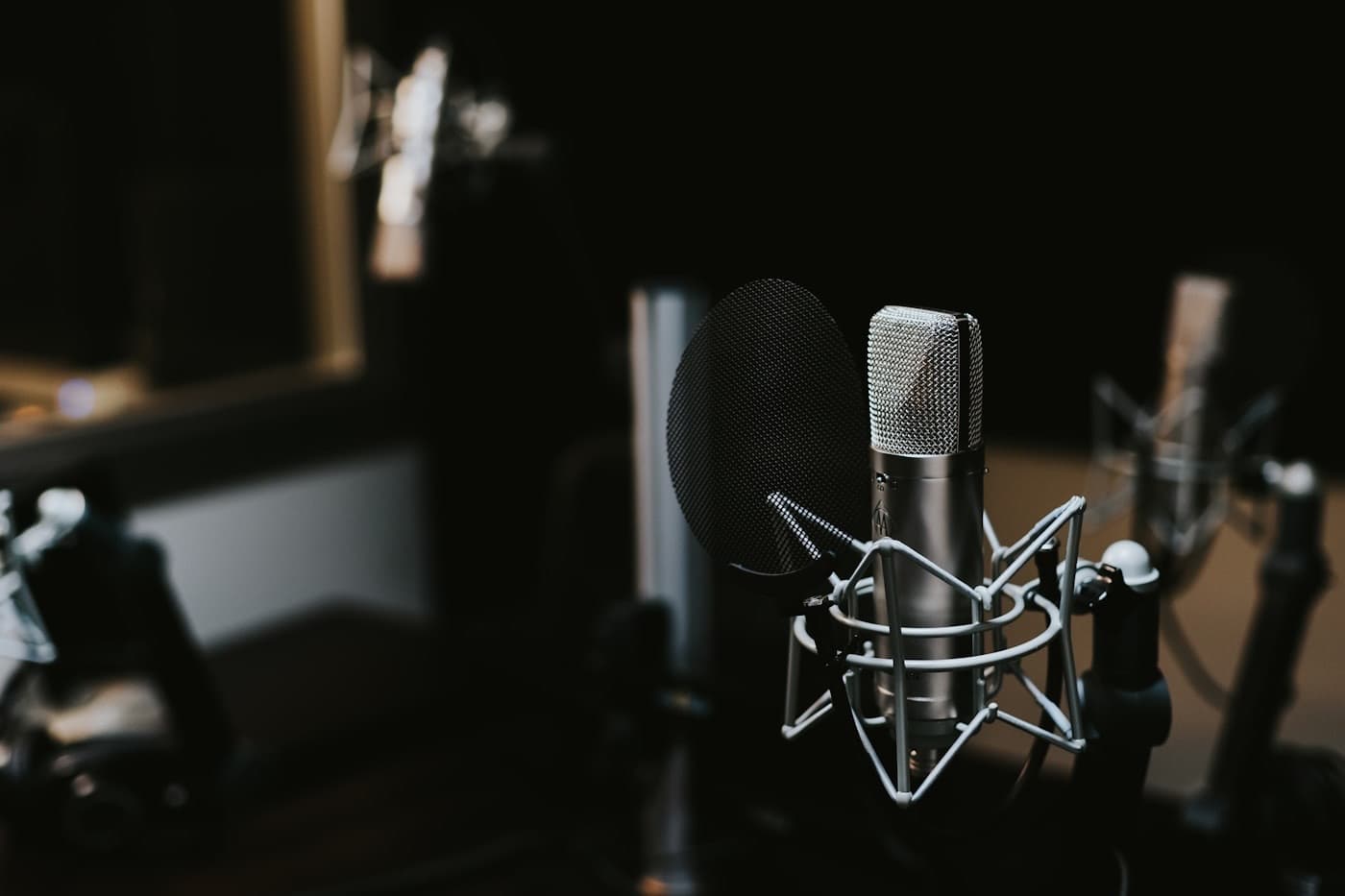
- A good microphone per person — audio is the one thing listeners won't forgive
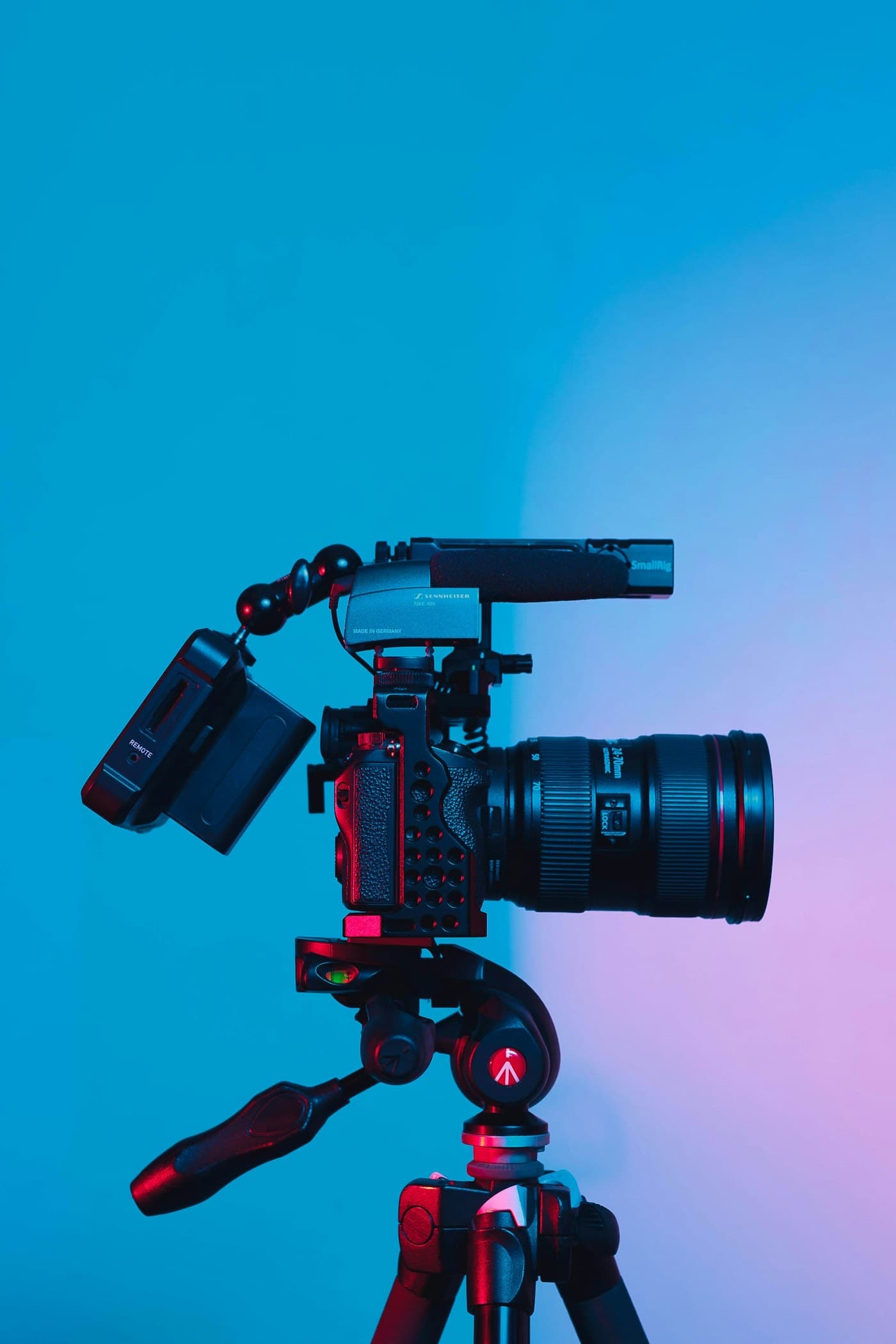
- Cameras, ideally more than one, so edits have movement
- Even, flattering lighting
- A quiet, controlled space
- Headphones to catch audio problems live
A professional setup handles all of this for you — but knowing the list helps you understand what quality actually requires.
5. Record it right
Come prepared with a loose outline, not a script. The best episodes feel like a real conversation, not a reading. Record a little extra at the start so everyone settles in, keep water nearby, and don't stop for small stumbles — they get cut. If you're filming multi-camera, a producer keeps the session on track so you can focus on the conversation.
6. Turn one episode into ten pieces of content
This is where most brands leave value on the table. A single recording should produce:
- The full episode (YouTube + website)
- 8–15 short vertical clips for social
- The audio version for podcast apps
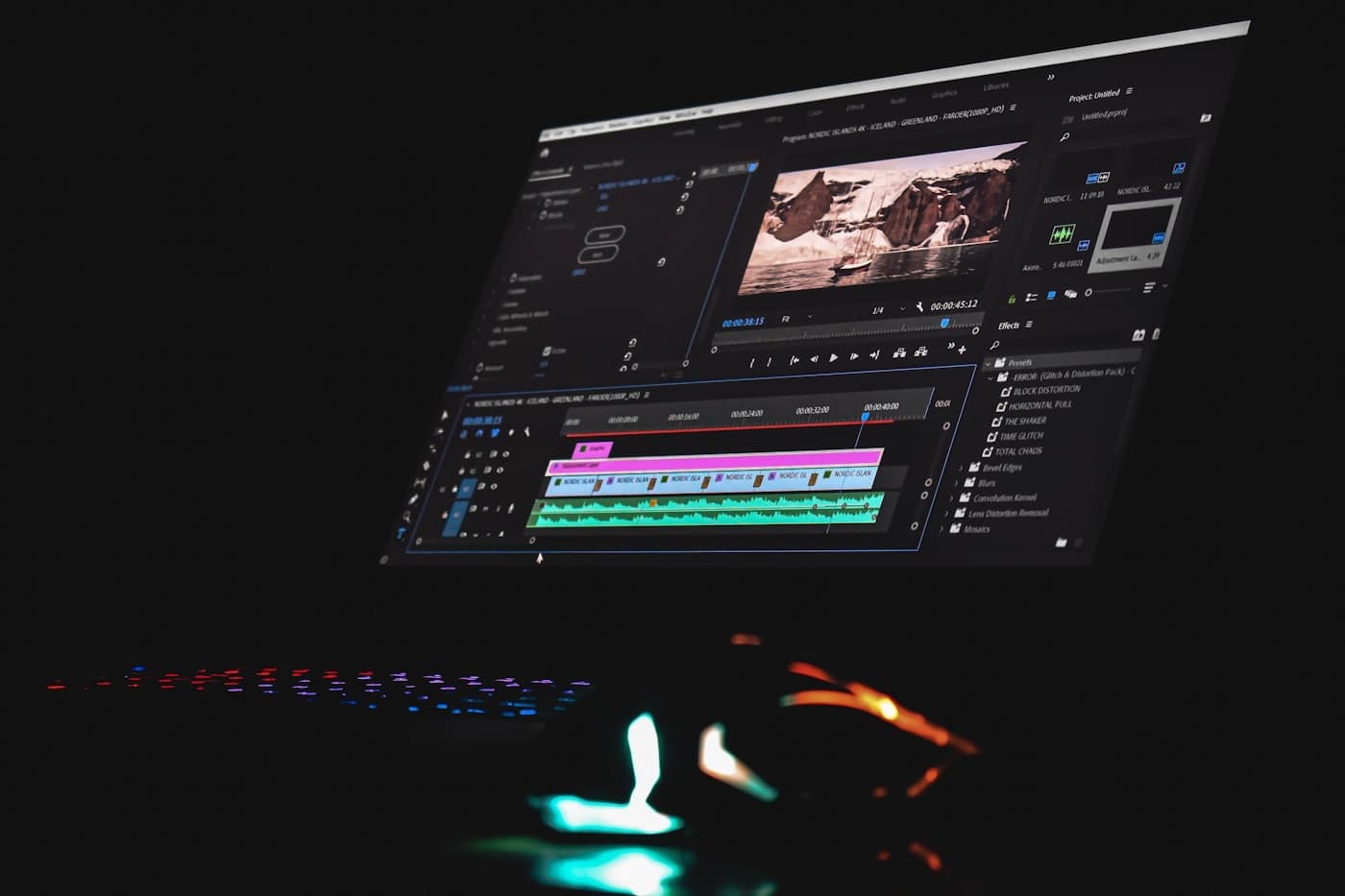
- Quote cards, captions, and a written recap
If you're only publishing the full episode, you're using a fraction of what you paid to make.
Common mistakes to avoid
- Bad audio — the fastest way to lose a listener
- Inconsistency — one episode a quarter won't build an audience
- No clips — the full episode alone won't get discovered
- Over-scripting — it kills the conversation
- No distribution plan — record with publishing already mapped out
Ready to launch?
A branded podcast is a long game, but it's one of the few marketing assets that gets more valuable the longer you run it. We help Houston businesses launch and produce podcasts from concept to edited, publish-ready episodes — including the clips that make each one work everywhere.
Start a project and we'll help you build a show that lasts.