The brands getting the most out of video aren't shooting more — they're shooting smarter. They treat a single production day as raw material for a dozen channels instead of one deliverable for one platform. Here is how to structure video so it works everywhere, without multiplying your budget.
Start With the Master, Not the Cutdowns
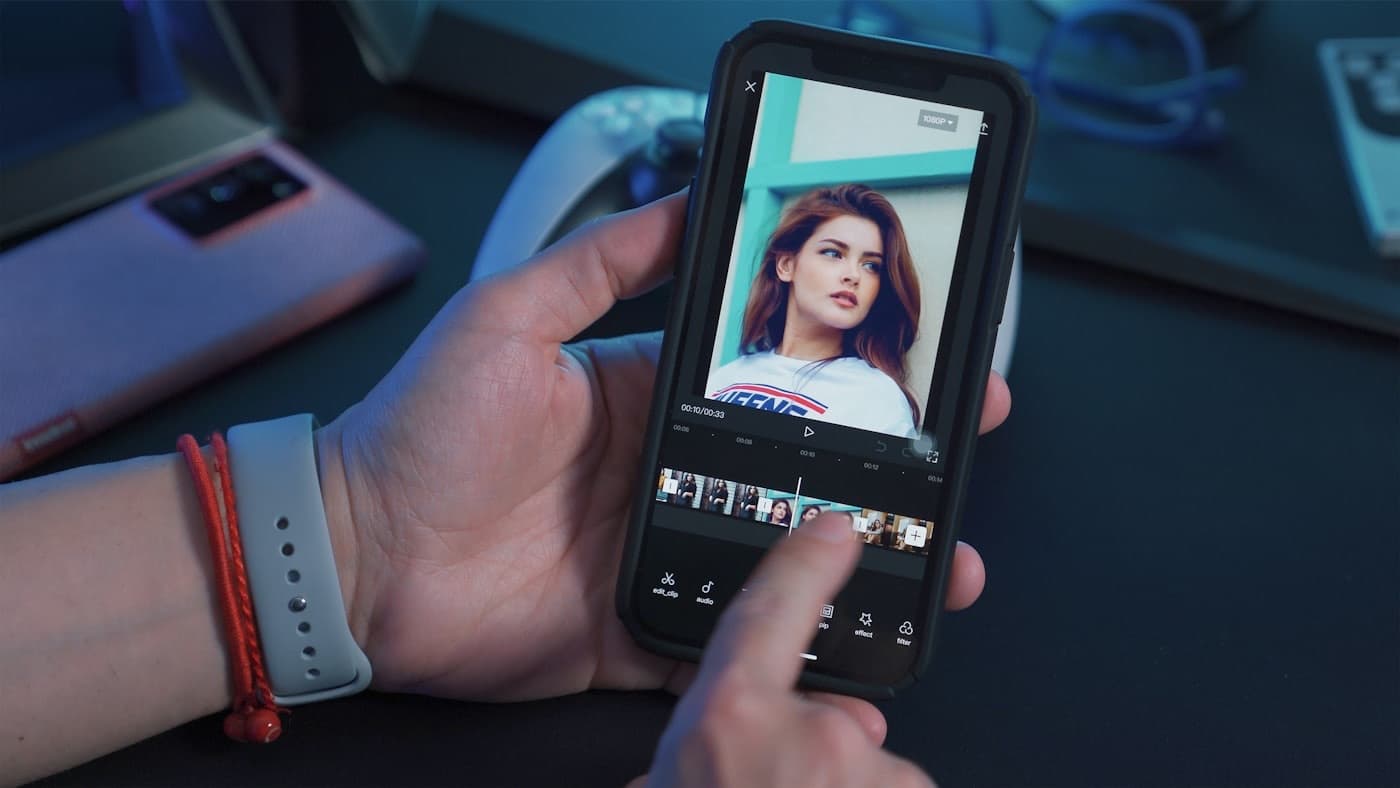
The mistake is shooting "a TikTok" and "a YouTube video" and "a website hero" as separate jobs. Instead, shoot one strong master with all the moments you'll need, then cut it down per channel. One well-planned shoot day should produce a hero film, a dozen short-form verticals, social stills, and ad variants.
Map Each Channel to a Job
Every channel does a different job in the funnel. YouTube and your website build depth and trust. TikTok, Reels, and Shorts earn attention at the top. LinkedIn carries B2B credibility. Email and paid social drive the action. Decide the job before you decide the cut — the same footage gets edited differently for each one.
Design for Vertical and Horizontal From the Start
If you frame only for 16:9, your vertical cuts will look like afterthoughts. Plan composition so the subject survives a 9:16 crop. Capturing both framings on the shoot day costs almost nothing; recreating them later costs a reshoot.
Build a Publishing Cadence, Not a Campaign
A campaign ends. A cadence compounds. Decide how often each channel gets fed — daily verticals, a weekly long-form, a monthly hero — and build a content bank deep enough to hit it consistently. Consistency is what trains every platform's algorithm to trust you.
Caption, Tag, and Structure Everything
Captions for the muted majority. Transcripts for search and AI engines. Structured metadata so a clip is discoverable, not just postable. The same video, properly tagged, keeps working in search long after the post stops trending.
Measure the Job, Not the Vanity
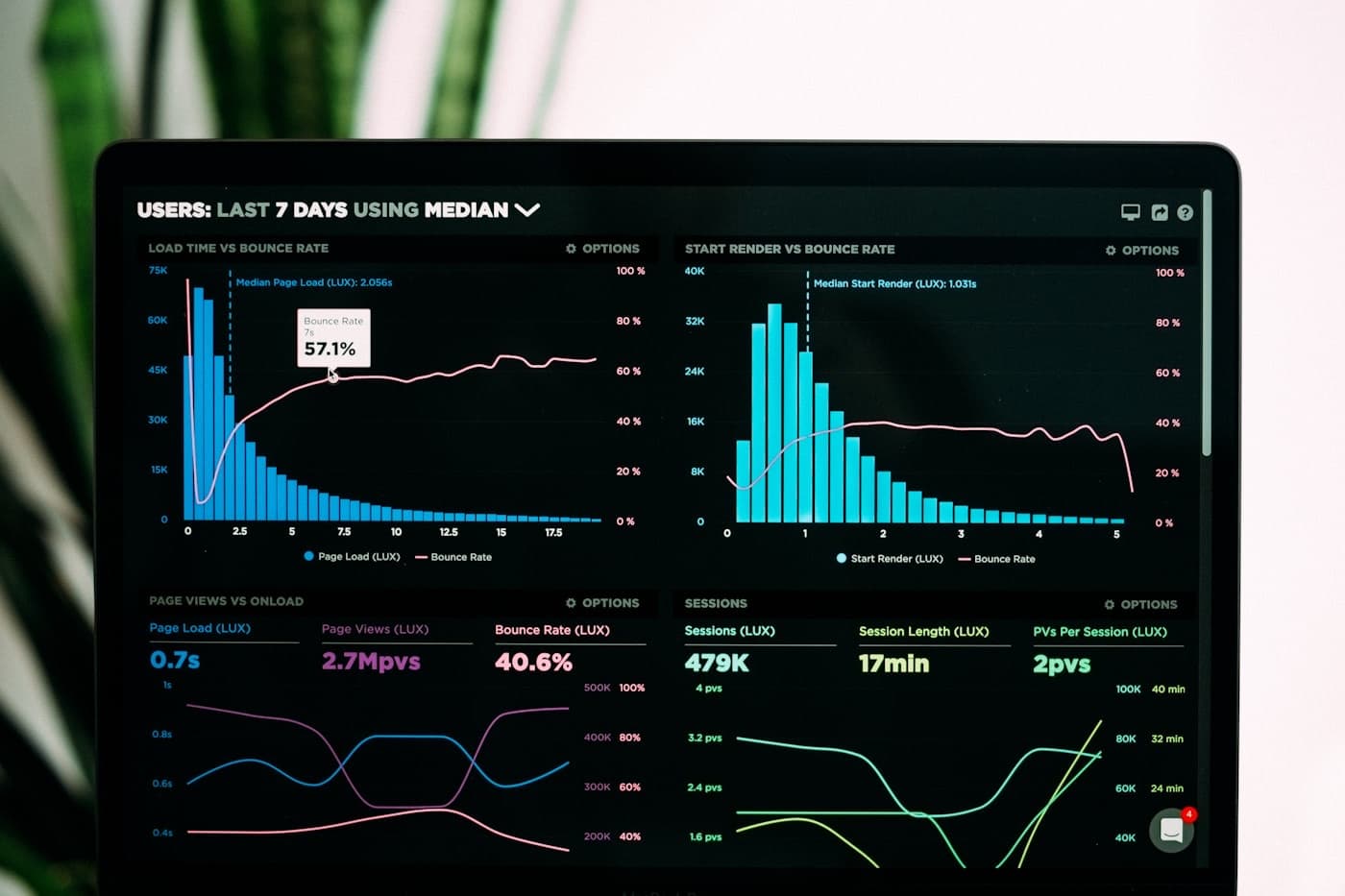
Judge each channel by the job you gave it. Top-of-funnel content is measured in attention — views, saves, shares. Mid and bottom are measured in pipeline — clicks, leads, sales. Holding a TikTok clip to a conversion metric (or a sales video to a view count) is how good content gets cut for the wrong reason.
Put Video at the Center
Done right, video stops being one more marketing task and becomes the source material that feeds all of them. That's the model behind our Always-On programs: one shoot, fed to every channel, on a cadence that compounds.