A video podcast is the highest-leverage content a business can produce in 2026: one recording session becomes a full episode, a dozen short clips, an audio show, and weeks of social posts. That's why Houston brands are moving podcasts from a side project to the center of how they show up online.
Here's what's driving the shift — and what it takes to do it well.
One recording, a month of content
The math is what makes video podcasts so efficient. A single 45-minute conversation gives you:
- A long-form episode for YouTube and your website
- 10–15 short vertical clips for Reels, TikTok, and Shorts
- An audio version for Spotify and Apple Podcasts
- Quote graphics, captions, and a written recap
One shoot day feeds every channel for weeks. Compared with producing that much content from scratch, a podcast is the closest thing to a content engine a brand can run.
Video wins where audio-only can't
Audio podcasts still work, but video is what earns attention in the feed. People watch faces, and the short clips a video podcast produces are what actually get discovered on social. YouTube is now one of the largest podcast platforms in the world, and search results increasingly surface video answers. If your podcast isn't filmed, you're leaving most of its reach on the table.
It builds trust faster than ads
A founder or expert talking honestly for 40 minutes does something a 30-second ad can't: it proves you know your field. For high-consideration services — healthcare, finance, professional services, B2B — that depth is what turns a viewer into a lead. A podcast is a trust engine disguised as a content channel.
The B2B advantage: podcasts open doors
Here's the quiet superpower. Inviting a prospect, partner, or industry leader onto your show is one of the warmest outreach moves there is. "Come be a guest on our podcast" gets a yes far more often than "can I sell you something." Every episode is a relationship built on camera — and content at the same time.
What a business podcast actually needs
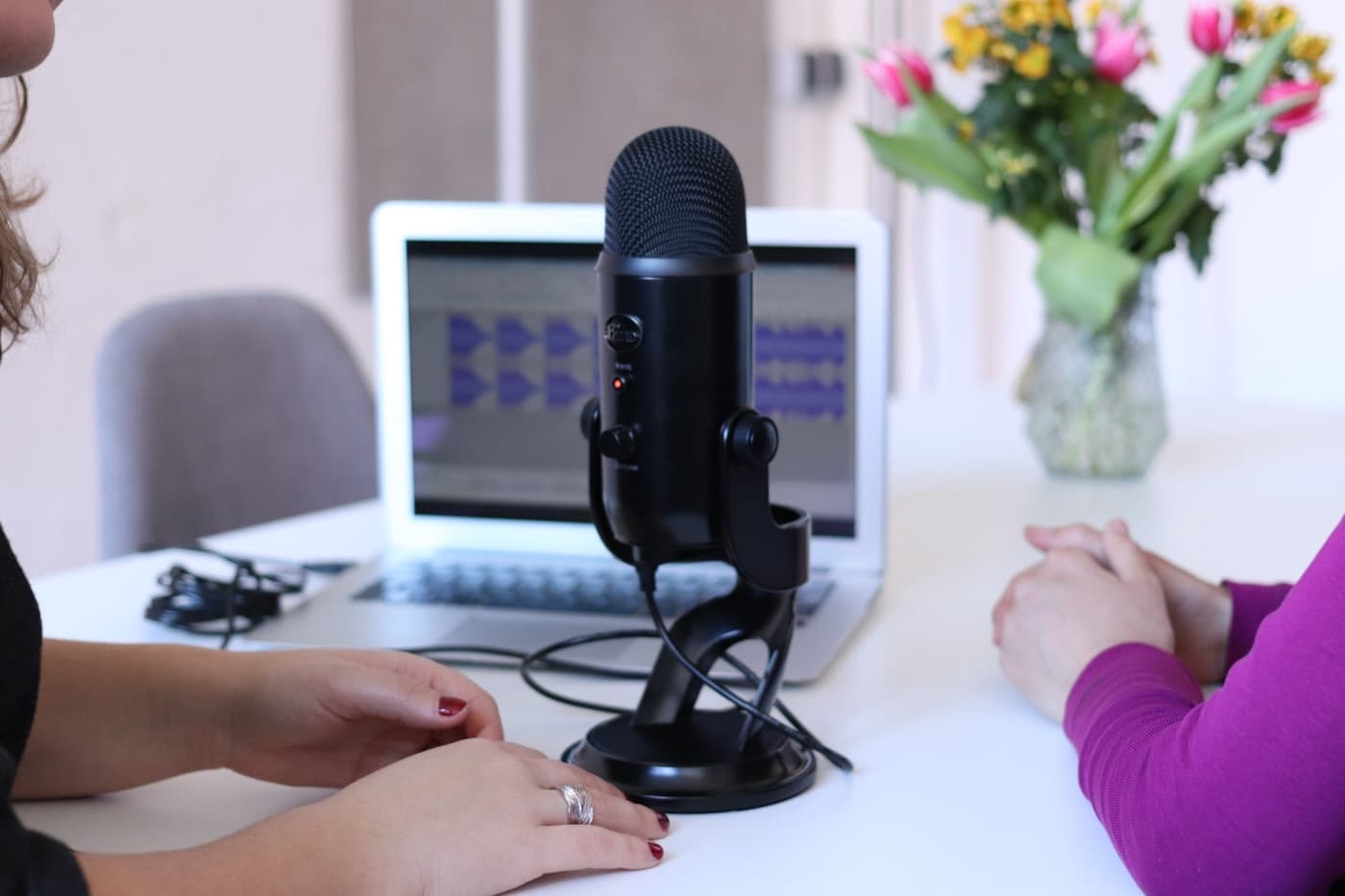
You don't need a radio station. You need:
- A clear format and a host who's comfortable on camera
- A multi-camera setup so clips look designed, not filmed on a webcam
- Clean audio — the one thing audiences won't forgive
- An editor who cuts the episode and pulls the short clips
- A publishing plan so it lands on every channel consistently
The brands that win with podcasts treat them like a program, not a one-off — a steady cadence that compounds.
Where we come in
We produce branded podcasts end to end — multi-camera recording, editing, and the short-form clips that make each episode work across every platform. We've shot shows like Sipping with Tia right here in Houston.
If a podcast could be your content engine in 2026, start a project and we'll map out the format, the setup, and the plan to turn every recording into weeks of content.