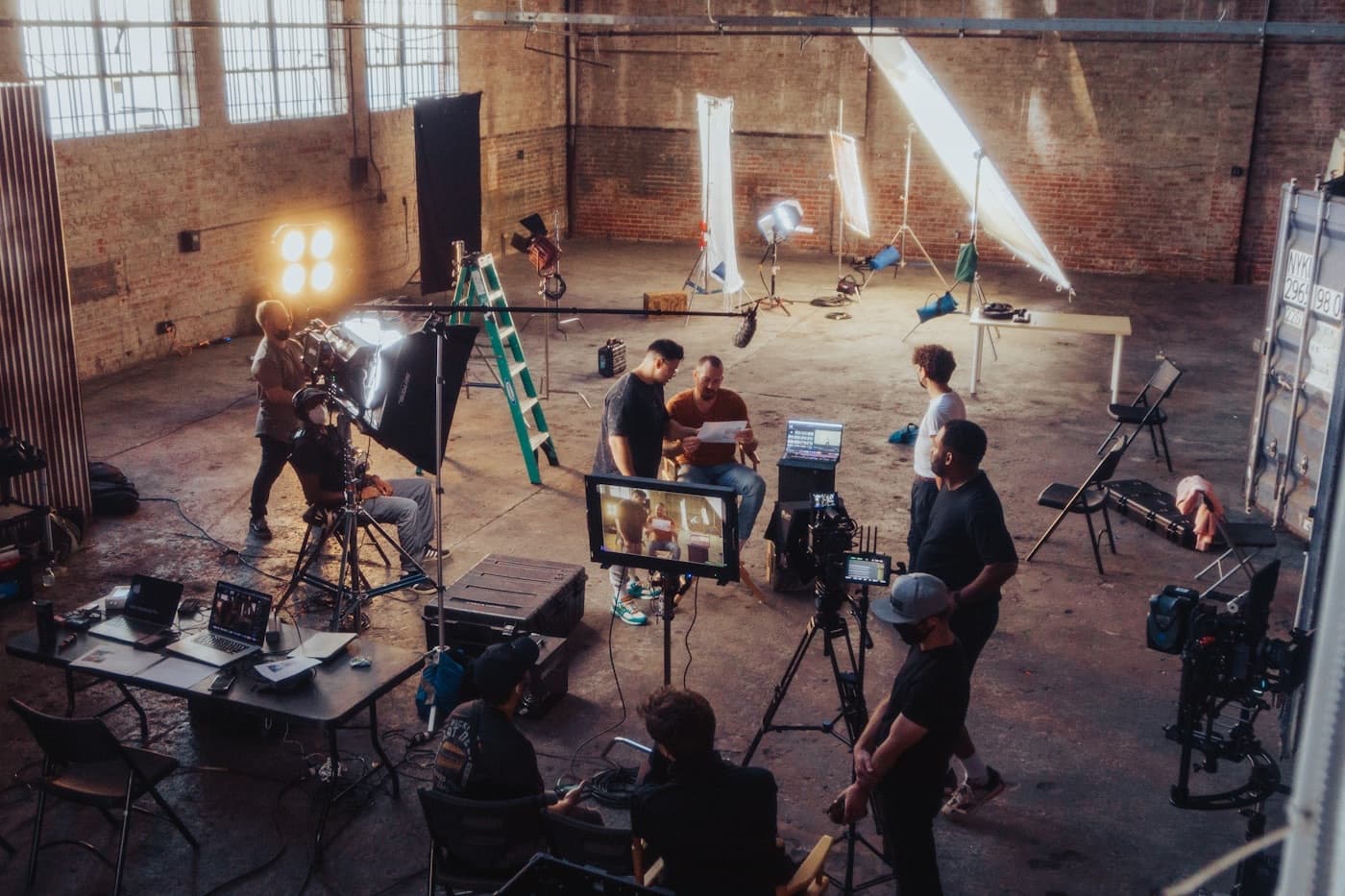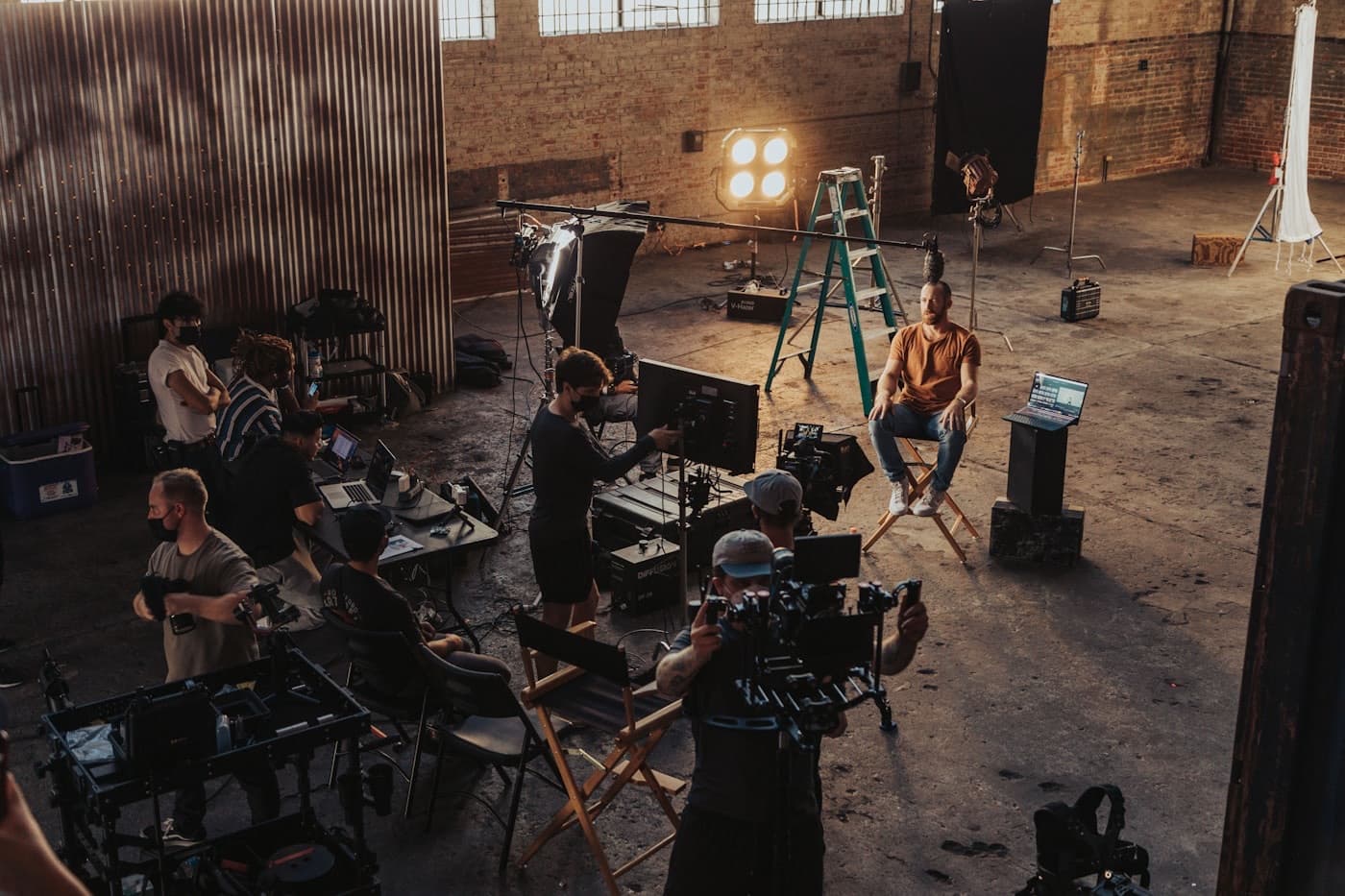
Yes — "human-made" is becoming a real selling point in 2026. After a wave of backlash against AI-generated commercials, brands like Aerie, Dove, and Panda Express are now publicly pledging to keep real people, real cameras, and real production in their video, and analysts expect a fifth of all brands to build their positioning around it.
Here's what's driving the shift, what the data actually shows, and what it means for any Houston brand deciding how to build video that earns attention instead of an eye-roll.
What Is "AI Slop," and Why Is Everyone Talking About It?
"AI slop" has become the defining insult of 2026 — shorthand for the flood of AI-generated video, images, and copy that feels generic, off, or just *off-brand* the moment a viewer notices it. The term picked up steam after a string of high-profile AI ad campaigns from major brands, including Coca-Cola and McDonald's, drew sharp criticism for holiday commercials that viewers described as lifeless and missing the warmth their previous, human-made campaigns had.
Google ran into the same problem with a Gemini ad that leaned on scripted AI "emotion" instead of a real human moment — and the response was overwhelmingly negative. The pattern across all of these isn't that AI was used somewhere in the pipeline. It's that the finished video *felt* like it was made for a machine instead of made for a person watching a screen.
The Brands Now Pledging "No AI"
The backlash has produced a counter-movement, and it's not just talk:
- Aerie and Dove have publicly pledged not to use AI in their advertising.
- He Gets Us, the nonprofit behind a 2026 Super Bowl spot, deliberately shot its ad on film with real people — a direct response to the AI-saturated ad landscape around it.
- Porsche ran a hand-drawn holiday campaign, and Panda Express released a human-animated Lunar New Year short — both leaning into visibly human craft as the point of difference.
- Almond Breeze and Equinox went further and built entire campaigns that make AI-generated content the joke, poking fun at the "uncanny valley" feel that's become instantly recognizable to audiences.
Gartner analysts project that by next year, 20% of brands will build part of their positioning around the *absence* of AI — turning "we made this ourselves" into a feature, not a footnote. (Source: Inc.)
What the Data Actually Shows
Here's where it gets interesting — and a little more nuanced than "AI bad, human good."
Research from Taboola, in partnership with researchers at Columbia, Harvard, MIT, and Carnegie Mellon, found AI-generated ads actually performed slightly *better* on click-through rate than human-made ads — 0.76% versus 0.65%. So this isn't purely a performance story. It's a trust story.
IAB and Sonata Insights found a wide gap between how marketers and consumers see this: 82% of ad executives believe Gen Z and millennial audiences feel positively about AI-generated ads, but only 45% of those consumers actually do. And per VML Intelligence, about 21% of consumers say they'd actively dislike a campaign if they found out it used AI — while 73% of Gen Z and millennials say clear disclosure either wouldn't hurt, or would help, their likelihood to buy.
Put together, the data says this: AI-assisted production isn't the problem on its own. The problem is video that *feels* generated when the brand hasn't earned the right to skip the human part — and audiences are getting sharper at spotting the difference.
What This Means for Houston Brands
For local businesses, this isn't a debate happening at the Cannes Lions level that's far removed from the work in front of you. It's directly relevant to a decision every brand is already making: how much of your video is going to look like it came from a real crew, a real set, a real moment — versus how much is going to look like it came from a prompt box.
A few things worth acting on:
- "Real" is now a differentiator, not a baseline expectation. As more of every feed fills with AI-touched content, footage that's actually shot — your team, your space, your customers — stands out precisely because it's harder to fake.
- Disclosure isn't the enemy. The data shows most younger audiences don't punish brands for using AI tools — they punish brands for video that feels hollow, regardless of how it was made. Craft is what earns the benefit of the doubt.
- AI tools still have a place — in editing, captioning, repurposing long-form into clips, generating variations. The line audiences are drawing isn't "no AI anywhere." It's "don't let AI replace the human moment that's supposed to connect with me."
Build for the Screen — and the Person Watching It
The brands winning this moment aren't the ones avoiding new tools or the ones leaning on them entirely. They're the ones who understand that watchable video is built for the person on the other side of the screen — and that no amount of generation speed replaces a real hook, a real face, and a real reason to keep watching.
That's the craft Freddyville brings to every project, whether it's a Flagship Film, an Always-On Content program, or a quick-turn AI Video Production piece — work that's designed to earn attention because it was actually made, by people, for people. If you want video that drives results and is made to last in a feed full of slop, start a project and let's build it.