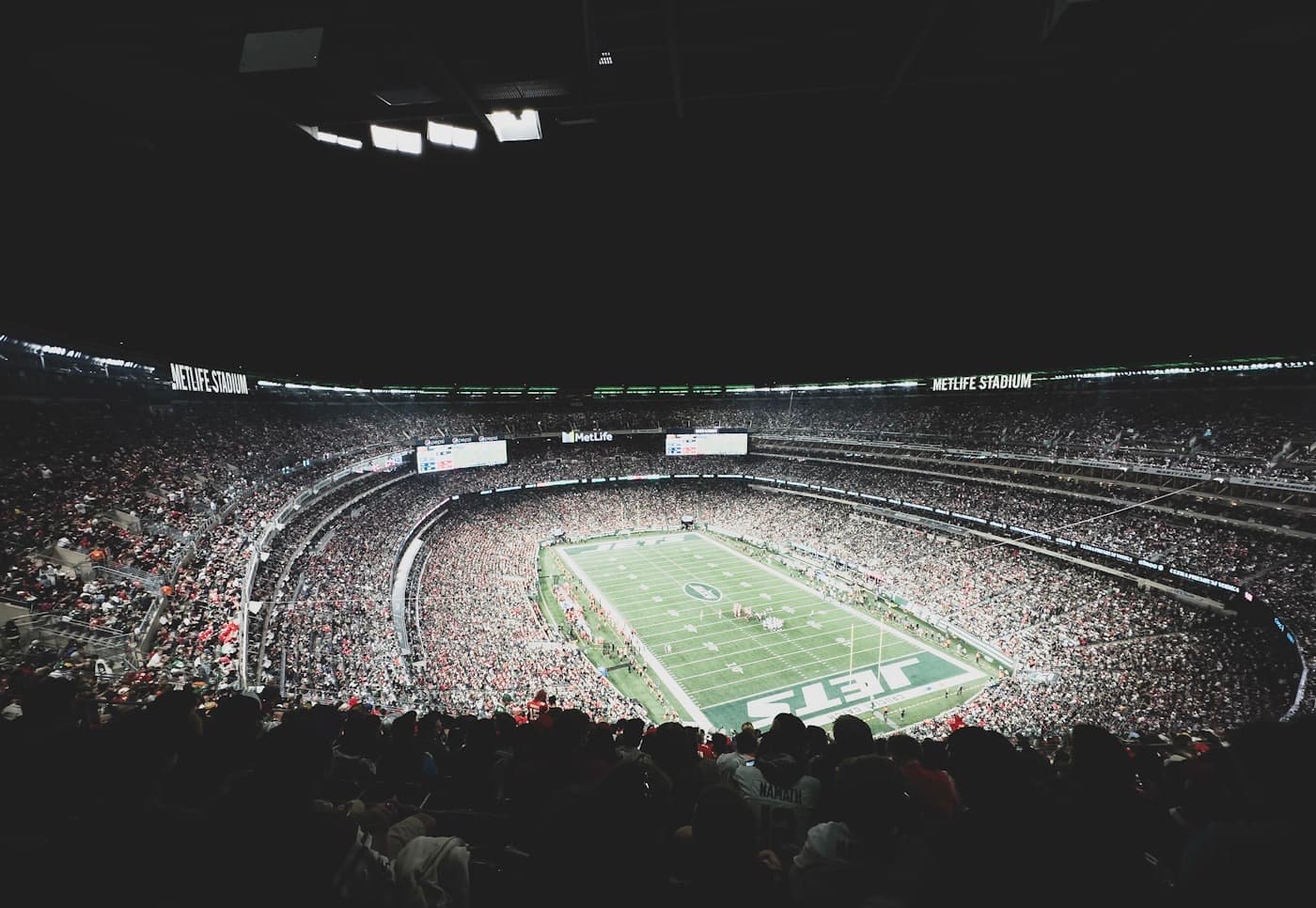
Houston's biggest building is changing its name back. Starting this month, NRG Stadium becomes Reliant Stadium again — the name it carried from 2002 to 2014 — after a company survey found 90% of Houston-area customers preferred it. For any Houston brand sitting on a name change, merger, or refresh, that number is the whole lesson: recognition is an asset, and most rebrands spend it without ever counting it.
The change was approved by the Harris County Sports & Convention Corporation, with Reliant signage going up in August ahead of the Texans' season opener in September. It lands on the franchise's 25th anniversary season — the same building, the same fans, the name they were already using anyway.
What's Actually Changing in Houston, and When
The short version, for anyone who missed it:
- Reliant bought 30-year naming rights in 2002, when the stadium opened alongside the Texans' inaugural season.
- The building became NRG Stadium in 2014, after Reliant's parent company put its own name on it.
- In summer 2026 it briefly operated as "Houston Stadium" — FIFA's clean-venue rules bar corporate names during World Cup play.
- In August 2026 it reverts to Reliant Stadium, in time for the Texans' 25th season.
That's three names on one building inside a single calendar year. And the one that won a customer vote by a 9-to-1 margin is the one that hasn't been on the sign since 2014.
Twelve Years of Signage Didn't Overwrite Twelve Years of Habit
This is the part Houston business owners should sit with. NRG put its name on the largest, most-photographed venue in the region — an NFL stadium, the Rodeo, college football, concerts — for over a decade. Millions of impressions a year. Broadcast mentions in every game. And when the company asked Houstonians which name they liked, 90% went back to the original.
Reliant's own framing was about familiarity, not novelty. Brad Bentley, who heads NRG Consumer and Reliant, called it "a name Texans know and trust." Texans president Mike Tomon pointed to the history: "As a founding partner of the team, Reliant has been part of our Houston Texans family from the very beginning." Rodeo CEO Chris Boleman put it plainest — "These venues are more than just a name; they represent a feeling, a tradition, and a shared experience."
None of those are marketing claims. They're a description of how memory works. A name isn't a design decision, it's a shortcut people have already built in their heads — and you cannot buy your way out of that shortcut with signage alone.
What a Name Change Actually Costs a Local Business
If a company with an NFL stadium and a national ad budget couldn't fully move a name in twelve years, a Houston contractor, clinic, restaurant group, or professional services firm should be honest about what a rebrand really costs:
- Search equity. Your old name is what people type. Rankings, backlinks, and directory citations are attached to it, not the new one.
- Reviews. Hundreds of Google reviews sit under one business identity. A sloppy switch orphans them.
- Referrals. The person who recommends you at a barbecue uses the name they remember. If it doesn't match your sign, the referral leaks.
- Physical assets. Trucks, uniforms, building signage, packaging, trade booths — all of it now has a deadline attached.
- Explanation debt. For roughly a year, every customer interaction includes a version of "we used to be ___." That's a cost, and it's paid one conversation at a time.
Rebrands don't fail because the new logo is bad. They fail because the announcement happens once and the memory takes eighteen months.
The Rollout Is the Rebrand
Most Houston companies handle a name change as a publishing task: new logo, new site header, one announcement post, done. Then they're confused six months later when half their customers still call the old number and the new name earns no search traffic.
A name change is a repetition problem, and repetition is what video is actually good at. Notice what Reliant did — they didn't just approve signage, they put out a video announcement on the day. The name went out as something people could watch, not something they had to read in a press release.
Here's what that looks like at Houston-business scale:
- A 60-second "why" film. The owner or founder on camera explaining what changed, what didn't, and what stays the same. This is the piece that gets emailed to your customer list, pinned on your profiles, and embedded on the homepage.
- A 10-second name-swap cut. Old mark, new mark, same people. Built for paid social, pre-roll, and stories — the version designed to be seen fifty times, not once.
- A "same team" service explainer. Same phone number, same crew, same warranty, same front door. This kills more confusion than any FAQ page.
- Team-level clips. Your techs, stylists, servers, or reps on camera under the new name. Faces carry a name change faster than a logo does.
- A 90-day drip, not a launch day. Roll the same core message across a quarter in different lengths and cuts. The people who missed it in week one are the ones you needed to reach.
That's one production day, planned properly, feeding a quarter of content. The mistake is treating the rebrand as a design invoice instead of a communications campaign.
Before You Change Anything, Test What You'd Be Spending
The most useful thing Reliant did wasn't the rename — it was asking first. They ran a study, got a 90% answer, and made a decision they could defend to a county board and a fan base.
Most Houston businesses skip that step entirely. Before you commit, ask your last hundred customers what they call you. Check which name your search traffic and reviews actually sit under. If the equity is real, keep it and refresh everything around it. If it isn't, change it — and then fund the rollout like the repetition problem it is.
Rebranding, merging, or refreshing in the next few months? Start a project and we'll build the video rollout that makes the new name stick — a flagship film that earns attention plus the short, watchable cuts that carry it across the next 90 days.