Houston led every city in the United States and Canada with 119 restaurant closures between January and June 2026 — and in a single three-week stretch that July, the Houston-Galveston corridor opened 109 net-new locations. Both numbers are real, and they are not in conflict. Houston is not losing its appetite. It has become the most competitive restaurant market in the country, and the thing in short supply is attention, not demand.
Here is the data, what it actually says, and what Houston operators should be filming because of it.
What the Closure Data Actually Shows
RestaurantData.com's First-Half 2026 Restaurant Closure Report counted 8,171 estimated restaurant locations closed across the U.S. and Canada from January through June 2026 — 7,593 in the U.S. and 579 in Canada. The rankings:
- Texas led every state with 1,039 closures, ahead of New York (543), California (391), Illinois (356) and North Carolina (302)
- Houston led every city with 119, ahead of New York (117), Chicago (82), San Antonio (70) and Las Vegas (60)
- Quick service made up 51.5% of all closures (4,092 locations); casual and family dining 35.2%; fast casual 10.8%
- Sandwich concepts alone were 26.2% of closures — the single largest cuisine category, well ahead of bar food (12.2%) and American (8.7%)
- 61.8% of closed locations served no alcohol; only 28.1% had a full bar
- Chains accounted for 52.1%, independents 47.9% — close to an even split
(Source: RestaurantData.com)
Two pieces of honest context most coverage skipped. First, the report counts location closures, not bankruptcies, and explicitly does not calculate failure rates. Second, Houston is the fifth-largest metro in the country at 7.9 million residents with a restaurant base to match — leading a raw count is partly a function of scale, not only distress. A big market closes more rooms because it has more rooms.
That does not make the number harmless. It makes it a competition signal instead of a collapse signal.
The Openings Number Nobody Put Next to It
The same firm's July market signals report counted 1,465 verified net-new restaurant locations across 49 states in the three weeks ending July 23, 2026. Texas took 391 of them — 26.7% of the national total, more than California (296), Florida (185) and New York (119).
Inside Texas, three corridors produced 353 of those locations. Houston-Galveston accounted for 109. Houston also tied for the city lead in multi-unit chain activity.
(Source: RestaurantData.com)
Put the two reports side by side and the picture changes shape. Houston is not a market where diners stopped showing up. It is a market with constant turnover at the door — rooms closing, rooms opening, and a diner population that has to re-decide where to go every single week.
Read the Segments — the Closures Have a Pattern
The breakdown is the most useful part of the whole report, and it points somewhere specific.
Over half of closures were quick service. A quarter were sandwich concepts. Nearly two-thirds served no alcohol. Those are, broadly, the formats people choose out of convenience rather than intent — the ones a diner picks because it is close and fast, not because they wanted that room in particular.
Convenience is the easiest thing in a restaurant business to lose. A new location opens two blocks nearer. Delivery fees shift. A lease renews. None of that has anything to do with the food.
What survives churn is a reason to choose you on purpose. That reason has to exist in the room — and it has to be visible before anyone gets there.
What Houston Operators Should Be Filming
If your competitive position is "we are nearby," video will not save it. If your position is a room, a pitmaster, a recipe, a family, a Tuesday night that feels like something — that is a position video can carry, and most Houston operators are leaving it on the table.
A single production day, cut properly, covers the whole year:
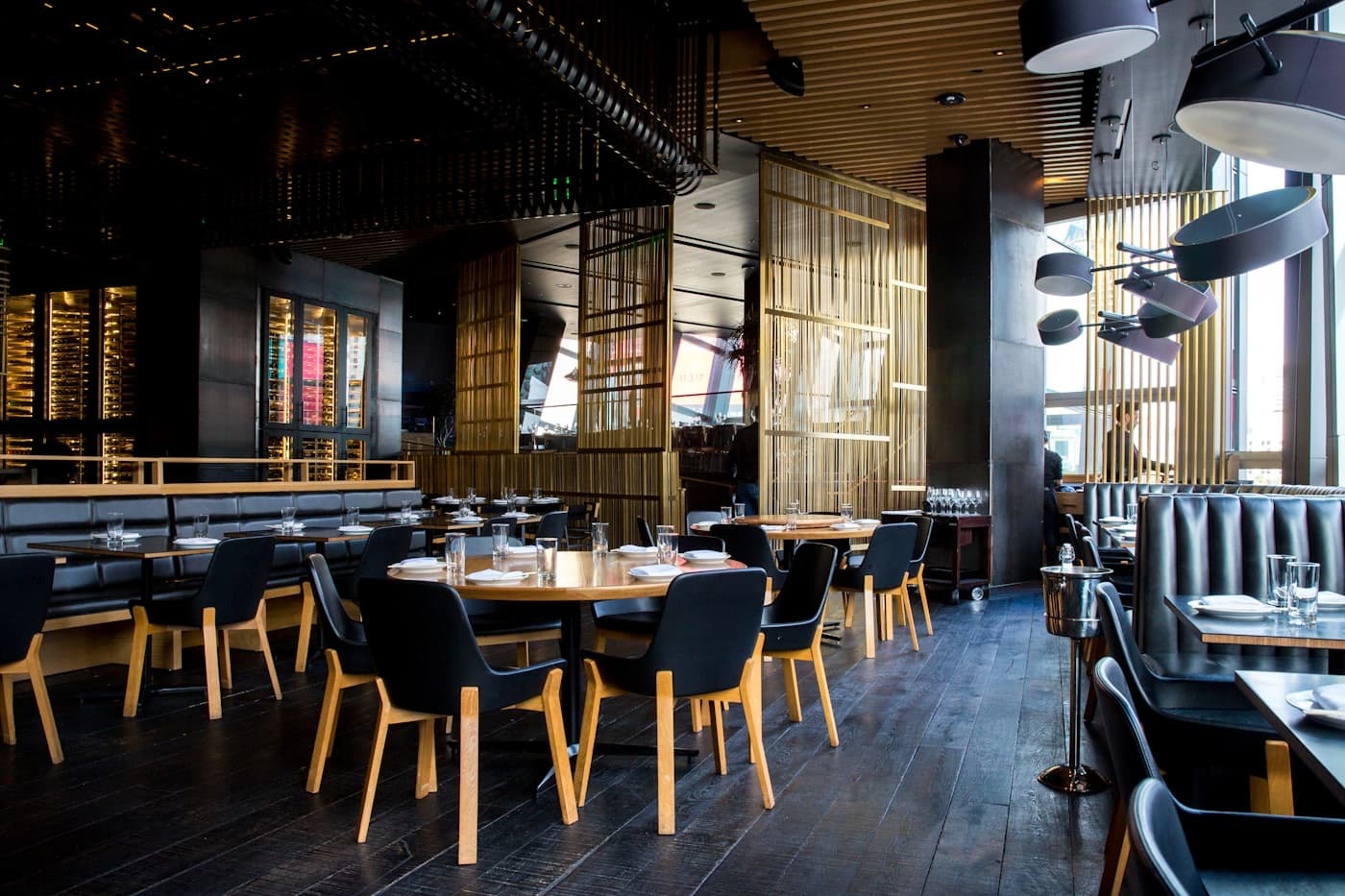
- The room, shot honestly. Diners decide where to sit before they decide what to eat. Wide, warm, real — not a phone photo of a plate at 9pm.
- The person behind the food. Owner, chef, pitmaster, abuela. Faces are what make a room specific and non-substitutable.
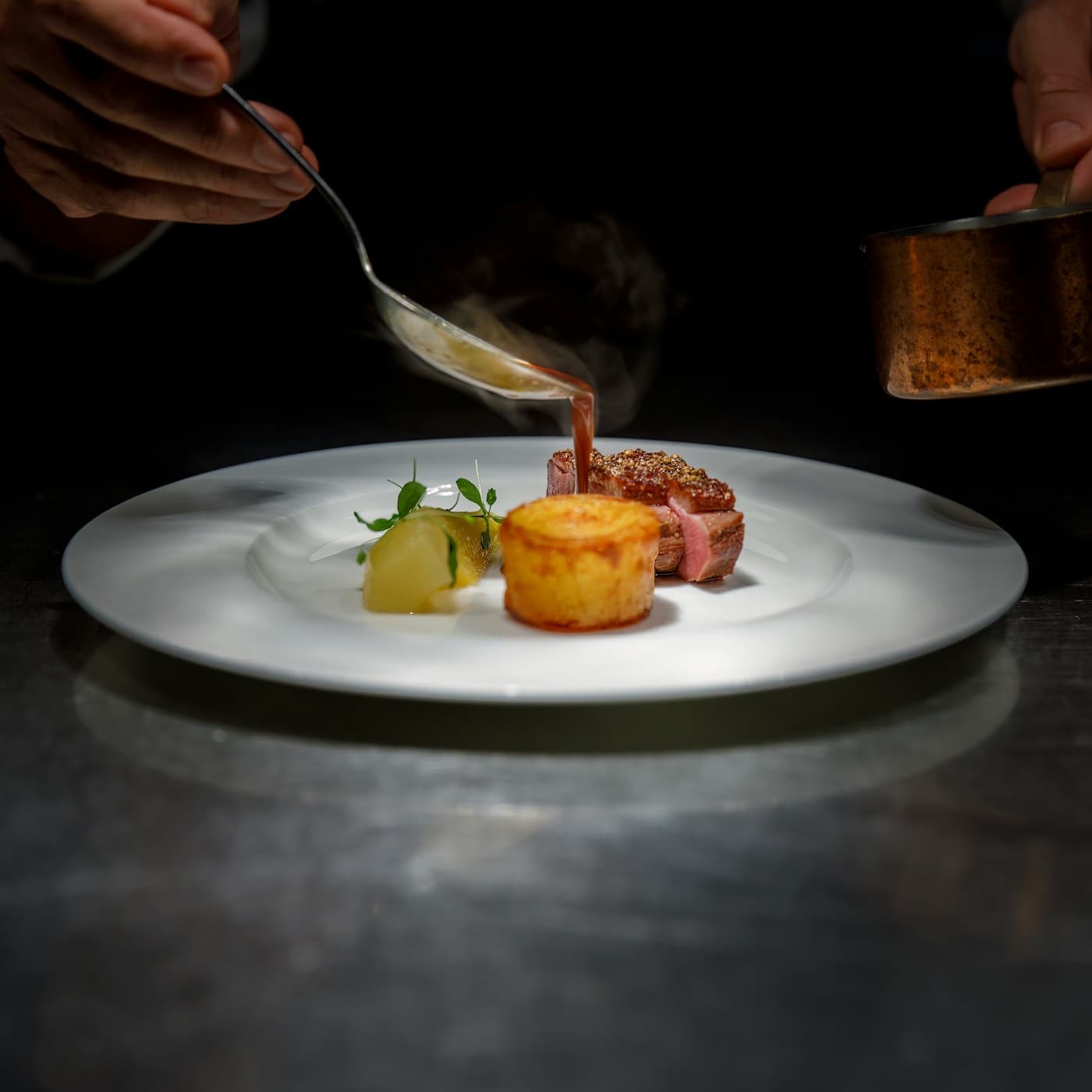
- Three to five dish films, 10-20 seconds each. Built vertical for Reels and TikTok, cut for the scroll, not for a tripod.
- One "why we opened" piece, 60-90 seconds. This is the asset that carries a new location through its first year — and the one nobody films until year three.
- A recurring format. A weekly special, a new menu drop, a staff pick. Always-on content is what keeps a room in the feed between visits, and it is far cheaper per post when it comes off one shoot.
Two things worth timing around: Houston Restaurant Weeks runs through early September, and the Texans open at home September 13 — two windows when Houston diners are actively deciding where to go, on dates already printed.
The Point
119 closures and 109 openings in the same market, in the same year, is what a saturated, high-turnover city looks like. In a market like that, the operators who last are not the cheapest or the closest. They are the ones people can picture before they arrive.
That is a production problem before it is a marketing problem. Freddyville Media builds restaurant video that earns attention in the feed and drives people to the door — one shoot, a year of watchable content. Start a project and let's plan the shoot around your fall calendar.