Houston's biggest brand story of 2026 is not a marketing campaign — it is a $17.6 billion acquisition. Fertitta Entertainment, the Houston company behind Landry's, Golden Nugget and the Houston Rockets, has agreed to buy Caesars Entertainment, and Caesars shareholders vote on the deal September 22. For any Houston operator running more than one location or more than one concept, this is a working lesson in how to carry many brands at once without flattening them into one.
Here are the numbers, the strategy underneath them, and what it changes about how a multi-location business should be filming.
The Deal, In Numbers
- $17.6 billion, all cash — roughly $5.7 billion in equity value plus about $11.9 billion of assumed Caesars debt
- $31.00 per share — about 49% above where Caesars stock closed on Feb. 25, the day before buyout reports began circulating
- Shareholder vote: September 22, 2026, at the Eldorado Resort & Casino in Reno, with an August 21 record date
- Federal antitrust notification was refiled August 13; the waiting period expires September 14 unless regulators ask for more
- Financing: $6.6 billion in senior secured credit facilities and at least $2.7 billion in equity, with a $450 million reverse termination fee if approvals fall through
- Outside closing date: May 27, 2027, extendable to November 27, 2027 if regulatory approvals are still pending
(Source: Las Vegas Review-Journal)
Those are gaming-industry numbers. The part worth a Houston operator's attention is what sits underneath them.
This Is a House of Brands, Not a Merger
Fertitta already operates more than 600 properties across 36 states and over 15 countries, spanning more than 60 separate restaurant concepts — Saltgrass Steak House, Landry's Seafood, Bubba Gump Shrimp Co., Morton's, Mastro's, Del Frisco's, Rainforest Cafe, Chart House, Willie G's, Brenner's, Joe's Crab Shack.
Almost nobody eating at Saltgrass on a Tuesday is thinking about a corporate parent. That is the entire point. The strategy is a house of brands — a portfolio where each name keeps its own identity and its own reason to exist — rather than one master brand stamped on everything.
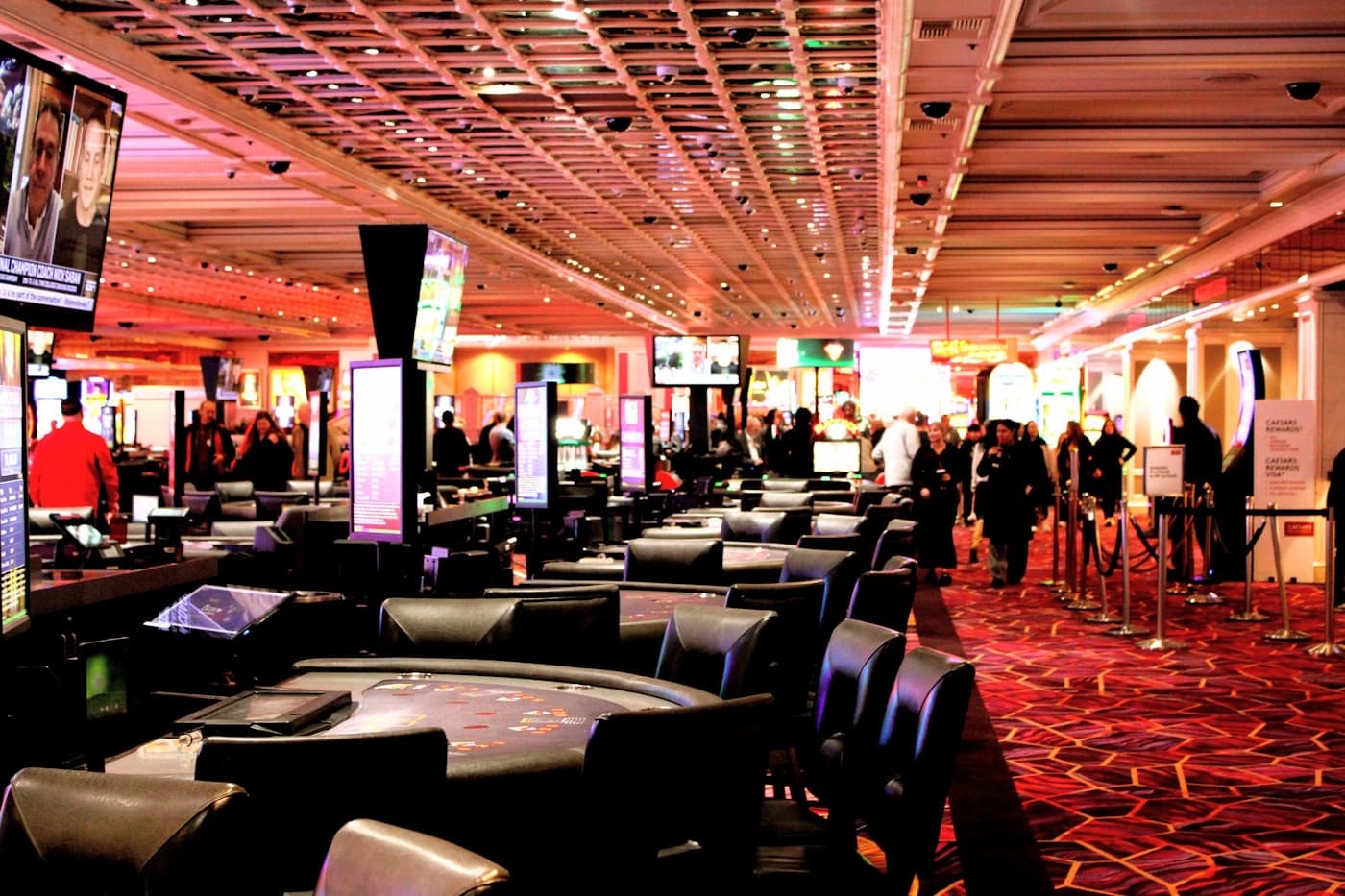
Adding Caesars does not change that model. It scales it. The combined company would span roughly 60 casino resorts plus retail sports betting at more than 200 locations under the William Hill name, on top of the existing restaurant and hotel portfolio. Sixty-plus concepts becomes a larger number of concepts. Nobody gets renamed.
The Question Every Houston Multi-Location Operator Faces
Strip out the billions and the same decision shows up across Houston at a much smaller scale:
- A restaurant group with four concepts across Montrose, Katy and The Woodlands
- A dealership group with six franchises under one family name
- A dental or med-spa group that acquired three practices and kept all three names
- A home-services roll-up that bought the HVAC company, the plumbing company and the roofing company
- A gym or studio operator with two formats and two very different memberships
Every one of them has to answer the same question: does the customer buy the parent, or the location? In most Houston categories, the honest answer is the location. People are loyal to the shop, the chef, the dentist, the trainer — not the LLC that signs the checks.
That answer has a cost, and it lands on content.
What a House of Brands Actually Costs You On Camera
One brand needs one voice, one feed, one library. Five brands need five. That is the part operators consistently underestimate.
The usual workaround is to shoot one corporate video, put the parent logo on it, and run it everywhere. It never works, because the asset is built for the org chart instead of the customer. A viewer scrolling past a Saltgrass ad does not need to know who owns Saltgrass. They need a reason to go on Thursday.
The opposite failure is just as common: five brands, five vendors, five budgets, five different looks, no leverage anywhere.
The Shared-Shoot Model
The fix is not more budget. It is a production system built for a portfolio instead of a single brand. What that looks like in practice:
- One production day, multiple brand blocks. Crew, gear and creative direction are the fixed costs. Splitting a shoot day across three concepts costs far less than three separate half-days.
- A shared spine, separate skins. Same shot structure, same edit rhythm, same craft standard — different faces, locations, menus, offers. The system travels; the identity does not.
- Cast the operator, not the parent company. The general manager, the head stylist, the lead tech. Local faces are what make a location feel local, and they are the reason the portfolio strategy works at all.
- Build vertical first. Every concept needs its own scroll-stopping cuts for Reels, TikTok and Shorts. A horizontal brand film re-cropped after the fact is not the same asset and does not perform like one.
- Keep exactly one parent-brand asset. You do need a film about the group — for recruiting, lenders, acquisitions, landlords. One. It is not the customer-facing piece.
- Cut on a calendar, not on inspiration. A portfolio that publishes on a schedule beats a portfolio that publishes when someone remembers. That is the whole argument for an always-on program instead of one-off projects.
What Houston Operators Should Build Before Q4
If you run multiple brands and Q4 is the quarter that matters, build in this order:
1. A one-day shoot per concept, stacked into the same week. Same crew, same direction, sequential locations — the cheapest content you will produce all year.
2. Six to ten vertical cuts per brand. Short, specific, captioned, made for the screen they will actually be watched on. Offer, proof, person, place.
3. One parent film. Three minutes on the group — who runs it, what it owns, why anyone should work there. This is the recruiting and partnership asset, and it earns its keep for years.
The Point
Fertitta spent three decades proving something Houston operators can use at any size: you can own a lot of brands, and you should mostly leave them alone. What you centralize is the machine — the production, the standard, the calendar — not the identity.
Most multi-location businesses do the reverse — centralize the message, decentralize the production — and end up with one generic video and five neglected feeds.
Freddyville Media builds video programs designed for operators with more than one name on the door — one production system, every brand covered, content that earns attention and converts. Take a look at how Always-On Content works across multiple locations, or start a project and we will scope your fall shoot week.