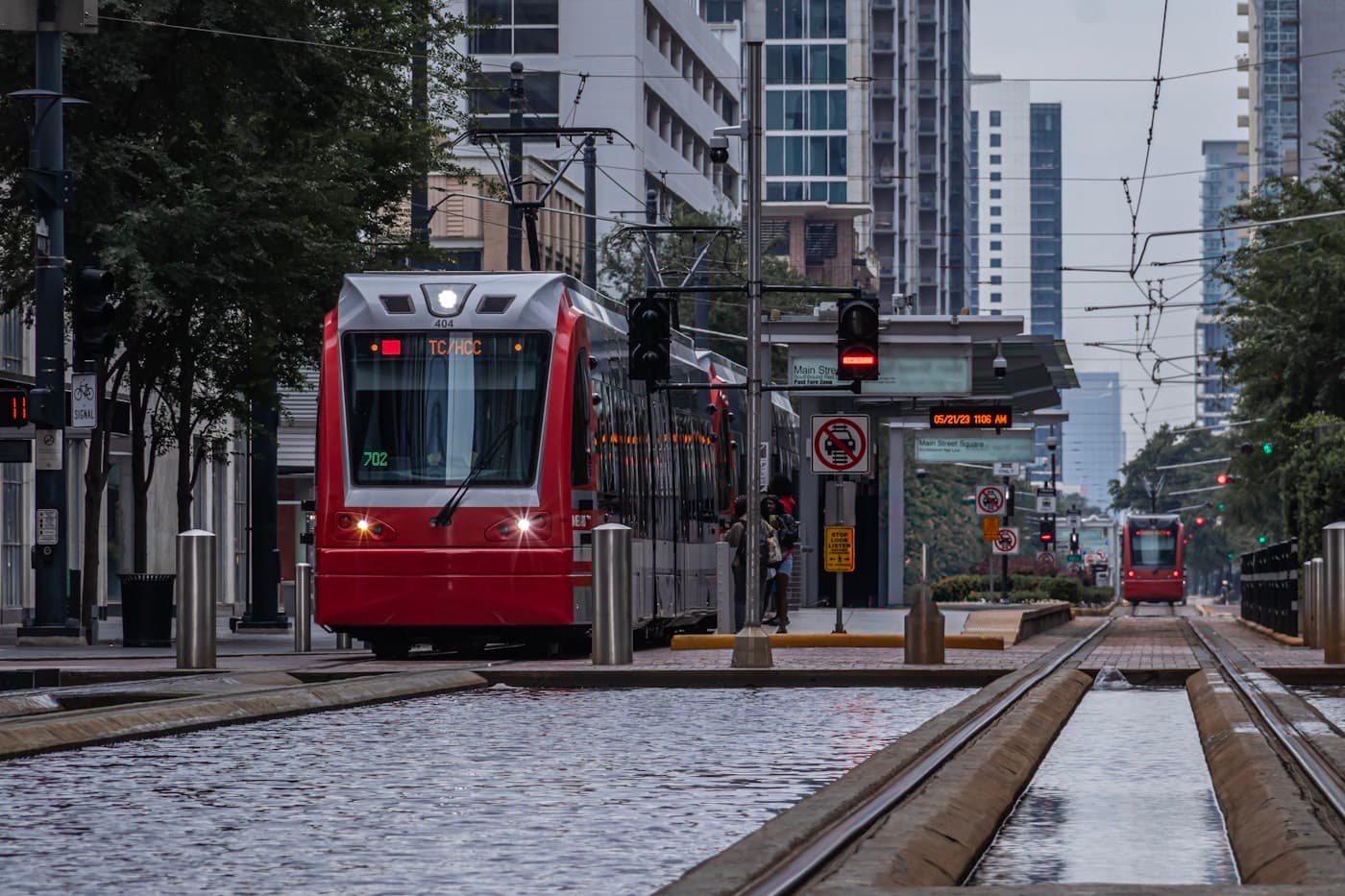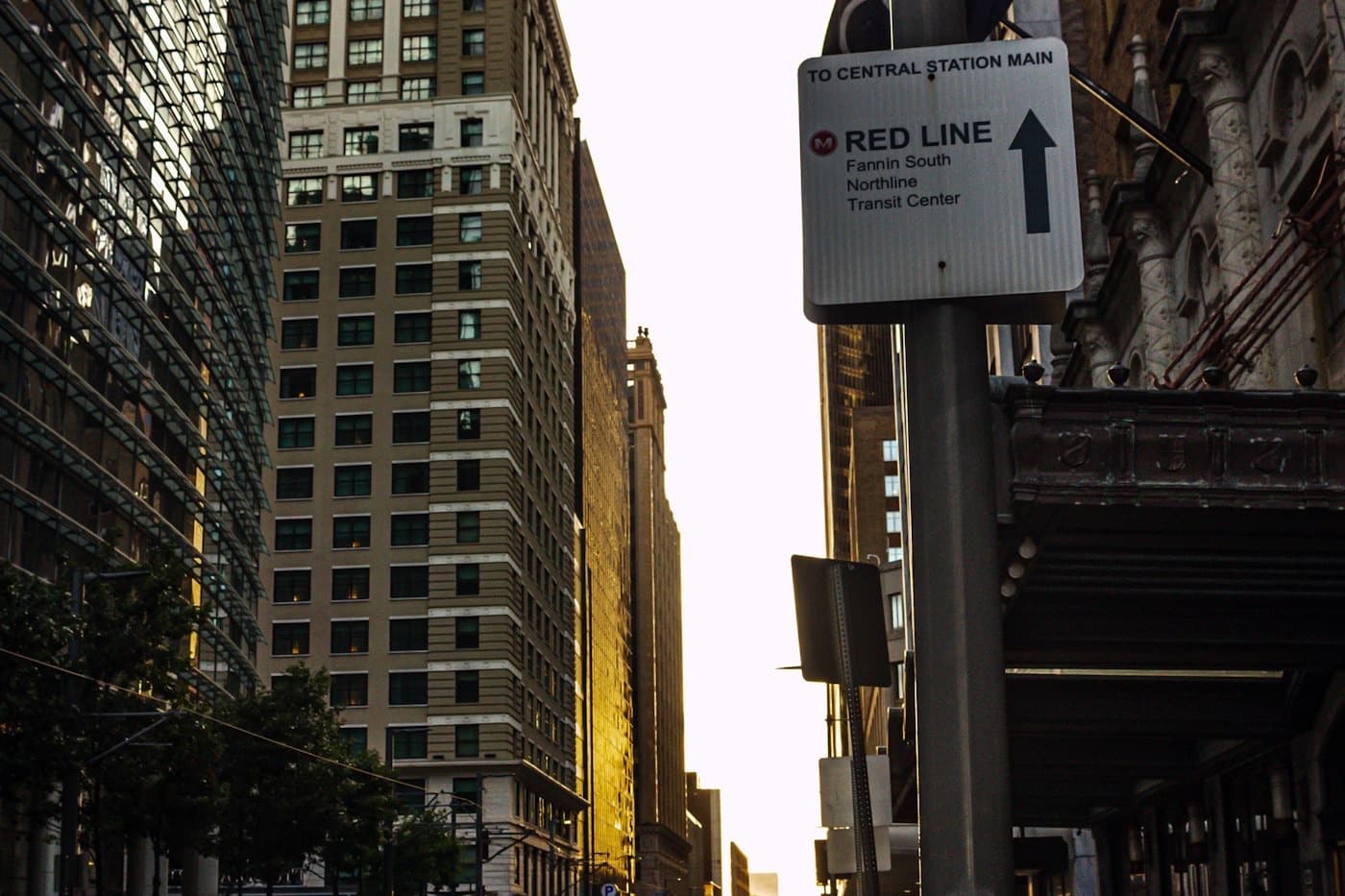
Houston's World Cup numbers are in, and the headline is real: 1,086,499 participants across official events, 1.47 million downtown visits in June, and 5.5 million METRO rides between June 12 and July 8. But the number that matters most to a Houston business owner is the one nobody put on a billboard — traffic gains at businesses around the Fan Festival ranged from 33% to 1,600%.
Same city. Same 30 days. Same million visitors. A 48x spread in outcomes. That gap is the actual lesson of Houston's World Cup, and it has almost nothing to do with soccer.
The Official Houston Numbers
The FIFA World Cup 2026 Houston Host Committee released its final figures in late July. The scale is not in dispute:
- 1,086,499 total participants across official Houston World Cup events
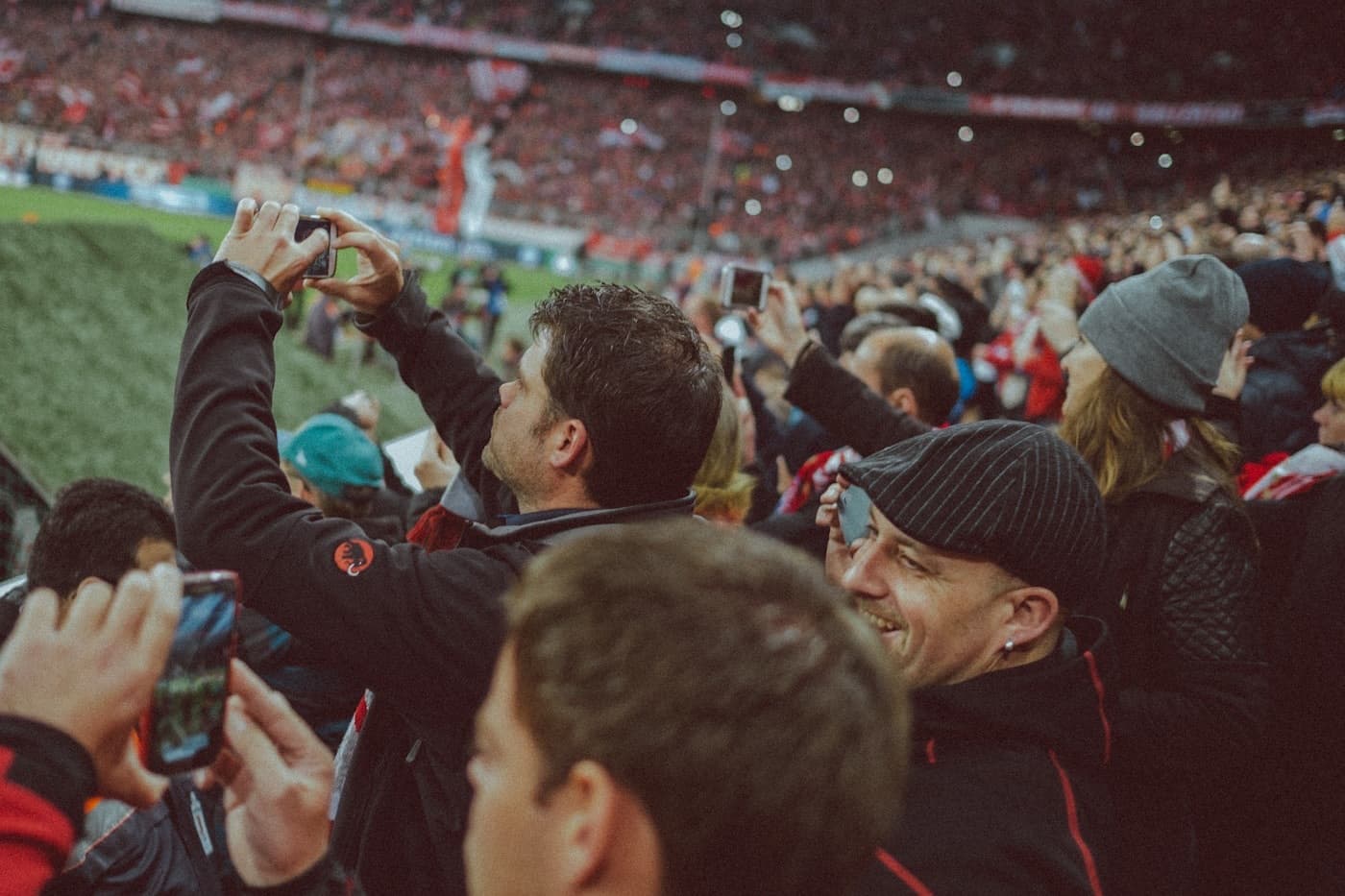
- 480,186 in-stadium attendance across seven matches at NRG (68,598 average)
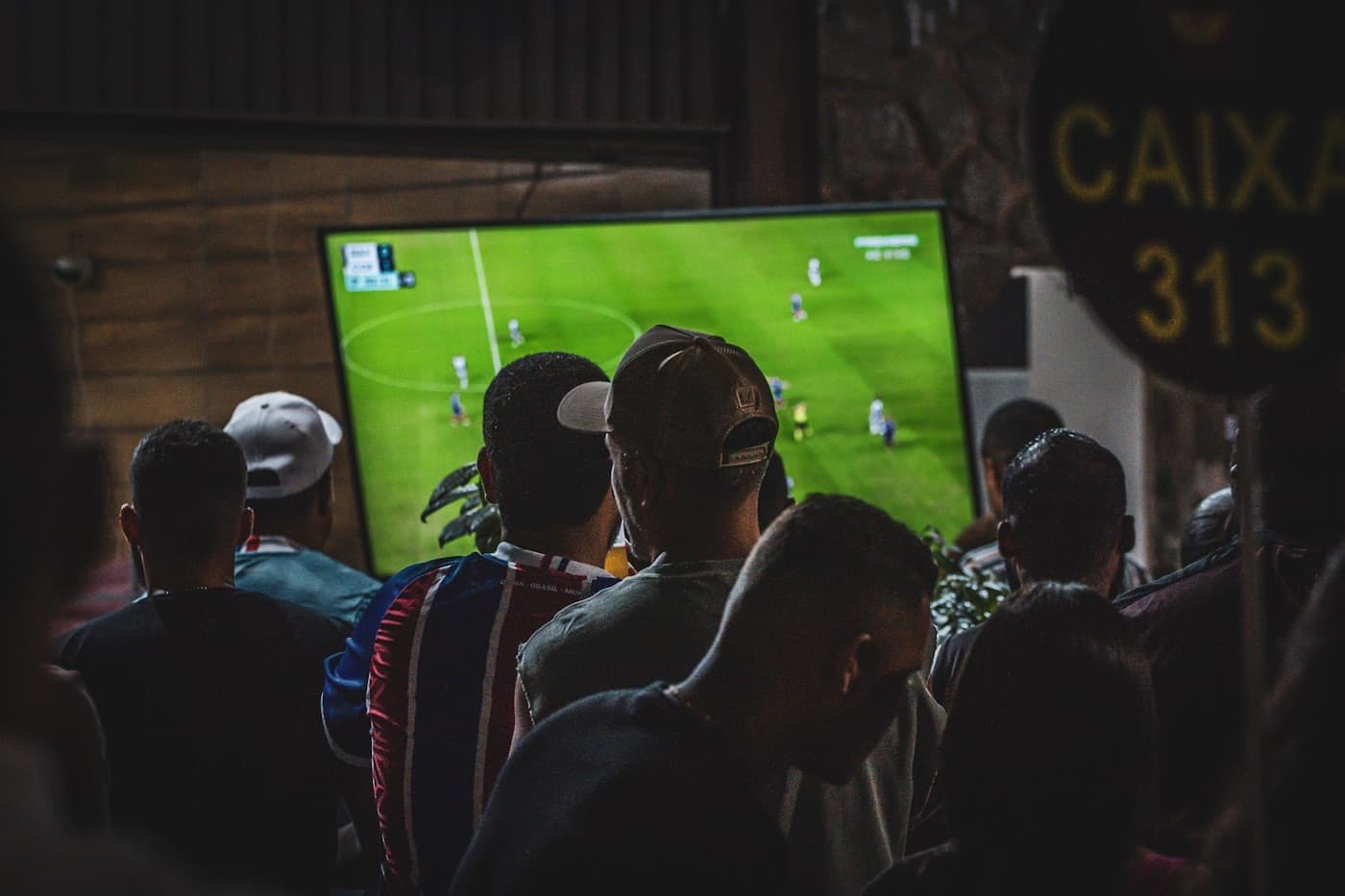
- 551,313 at the FIFA Fan Festival in East Downtown, plus roughly 55,000 on the official Fan Walk
- 933,000+ unique downtown visitors, averaging 113,000 visits per day
- Pedestrian counts up 48.1% during the tournament and 53.7% on matchdays
- East Downtown visitor traffic up 225% over 2025 and 280% over 2024
- 4,190 volunteers and 10,000+ media credentials issued
Houston also spent the runway well. The region completed nearly half a billion dollars in public improvements across 200+ projects ahead of the tournament — street resurfacing, drainage, sidewalks, lighting, transit shelters — infrastructure that outlives the last whistle.
By any reading, the attention showed up.
The 33%-to-1,600% Gap Is the Whole Story
Attention arriving in your zip code is not the same as attention arriving at your door.
The businesses at the top of that range were not lucky. They were findable, recognizable, and already on the screens of people planning their day. The businesses at the bottom were three blocks away from the same crowd, doing the same thing they do every other week, waiting for the surge to walk in.
Coverage during the tournament backed this up: reporting found many Houston restaurants outside the East Downtown core never saw the bump they'd budgeted for, and hotel demand actually slipped year over year for six of the seven match days — even as visitors paid higher rates to be here. Demand did not fail to arrive. It concentrated.
Concentration is a marketing outcome, not a geographic accident.
81% From Out of Town Changes Everything
Here is the number that should reframe how Houston brands think about every event on the calendar: 81% of ticket buyers came from outside the Houston area, and 44% came from outside the United States, representing all 50 states and more than 200 countries.
That audience had no local habits. No default coffee shop. No cousin who swears by a taqueria on Navigation. Every single decision they made about where to eat, drink, shop, and spend was made cold — from a phone, in a few seconds, based on whatever they could see.
For a visitor deciding between two places within walking distance, the tiebreaker is almost never the menu. It's whether one of them looks alive on a screen and the other looks like a stock photo from 2019.
What Separated the Two Ends of the Range
Looking at where the traffic actually landed, the pattern is consistent:
- Visible before arrival. Winners had recent video on the platforms visitors were actually scrolling — short, watchable, obviously current. A feed that hasn't moved in six months reads as closed.
- Findable in the moment. Search and map results decide a lot of foot traffic. Businesses with fresh photo and video content attached to their listings surfaced ahead of businesses without it.
- Legible at a glance. Out-of-town visitors could not read local reputation. They read atmosphere — a 12-second clip of a full room at 8pm does more than a paragraph of copy.
- Ready with something specific. A named watch party, a match-day menu, a place to be — not a generic "come see us."
- Prepared early. The content that performed during the tournament was shot before it, not scrambled together during it.
None of that requires a stadium next door. All of it requires having made something before the crowd arrived.
The Next Window Is Already Open
Houston does not run out of events. The George R. Brown convention calendar, the Rodeo every March, the medical and energy conferences that fill downtown for a week at a time, seven million residents and a metro adding roughly 126,000 people a year — the city produces a version of this scenario constantly, just at smaller scale.
The businesses that captured the World Cup did one thing differently: they had watchable content ready before the attention showed up. Everyone else was competing for the same crowd with nothing to show them.
If your 2027 calendar has a moment on it — a convention, a season, a launch, a stretch of the year when your buyers are actively looking — the work happens now, not during. Build a library of short, made-for-the-screen video you can deploy the week it counts, and a flagship piece that earns trust from someone who has never heard your name.
That's the difference between being in the market and being chosen in it.
Planning for Houston's next big window? Start a project and we'll map what to shoot now so it's live before the traffic gets here.