MD Anderson Cancer Center is putting $3.4 billion into nearly 2 million new square feet at the Texas Medical Center, announced Nov. 5, 2026. That means more patients, more staff and more competition for attention around the TMC through 2032. If you market a Houston clinic, specialty practice, health system department, medical supplier or patient-services business, the time to build your video library is now, years before the doors open.
Here is what was announced, what it means for Houston healthcare marketing, and seven videos to start making.
What Did MD Anderson Announce?
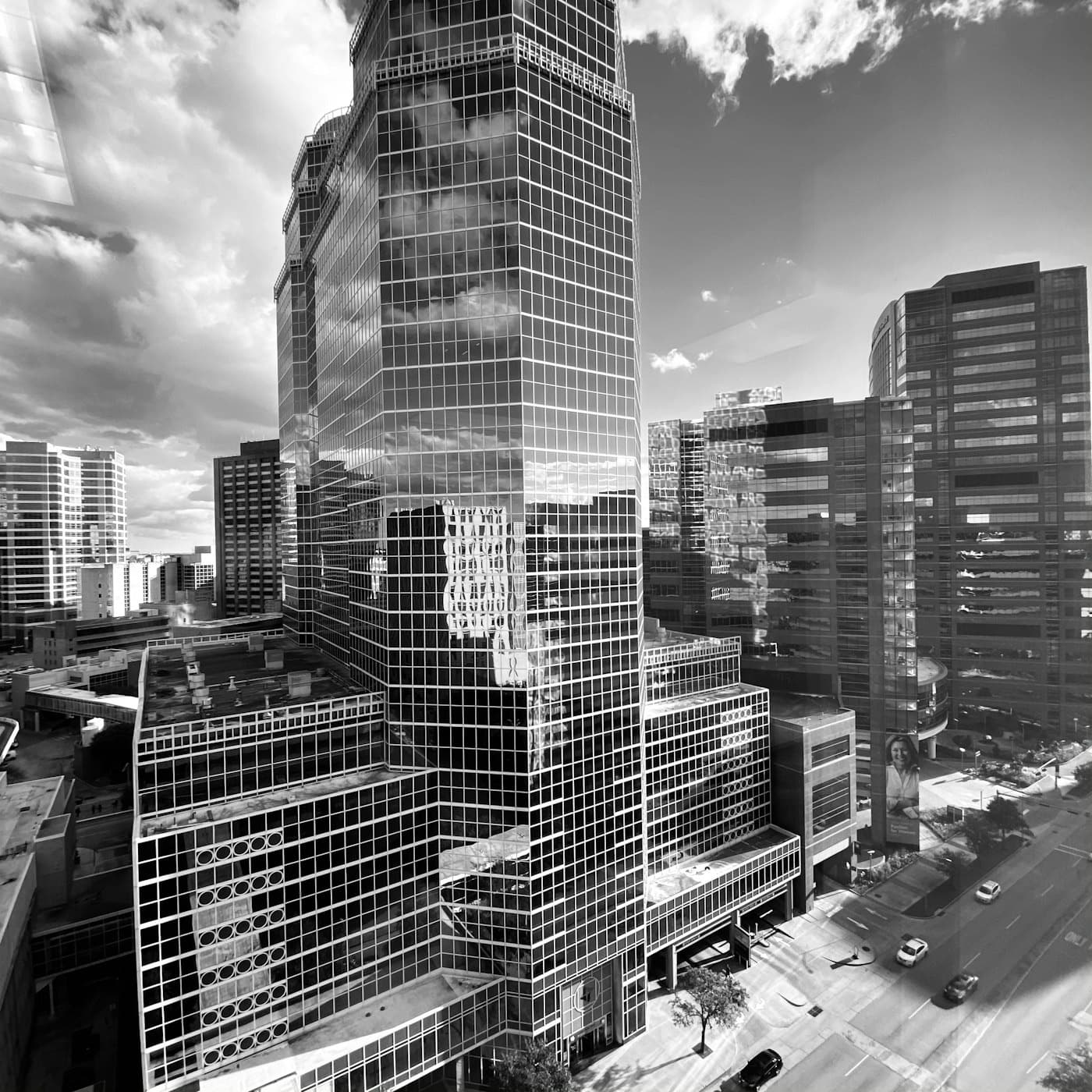
According to MD Anderson's news release (Nov. 5, 2026), the expansion includes two new facilities at the corner of Fannin Street and Holcombe Boulevard:
- Inspiration Tower: 1.4 million square feet across 25 floors, anticipated to open in 2032. Plans call for up to 330 exam rooms, 184 short-stay beds, 162 ambulatory treatment stations, 56 imaging rooms, 24 operating rooms and 38 procedure rooms. MD Anderson calls it the largest cancer-focused clinical facility in the nation.
- Prism: a 292,000-square-foot radiation oncology and diagnostic imaging hub, scheduled to open in 2030, connected to Inspiration Tower by a skybridge. It is planned with 12 MRI machines, 4 CT scanners, 2 PET-CT units, 18 radiation vaults and 7 radiation simulators, and is built for up to 150,000 patients a year.
- Combined capacity: care for nearly 250,000 patients annually.
- Funding: MD Anderson and the UT System, alongside philanthropic support.
- Campus growth: with other capital projects, MD Anderson's TMC footprint is projected to grow from 16.4 million square feet in 2020 to nearly 22 million by 2032.
What Does the MD Anderson Expansion Mean for Houston Healthcare Marketing?
Three things, and all of them point to video.
1. More patients are coming to Houston to search, compare and decide. Many patients and families travel to the TMC for care. Before they arrive, they look up doctors, lodging, parking, pharmacies, support services and places to eat. The businesses that show up with a clear, human video answer earn the trust first.
2. Hiring gets harder. A campus adding hundreds of exam and treatment rooms will need a lot of clinical and support staff over the next several years. Every nearby practice, lab and home-health agency will be competing for the same nurses, techs and front-desk staff. A 60-second "what it's like to work here" video is one of the cheapest recruiting tools you can own.
3. Search is moving to AI answers. Patients now ask ChatGPT, Gemini and Google's AI Overviews questions like "best place to stay near MD Anderson" or "how do I get a second opinion in Houston." Pages with clear answers, video transcripts and FAQ sections are easier for those tools to cite. Our guide on getting recommended by ChatGPT in Houston covers how.
The 7-Video Plan for Houston Healthcare Brands (Save This)
Film vertical first, keep each video to one idea, and open with the answer in the first second. Use captions written the way people search, such as "parking near Texas Medical Center" or "physical therapy near MD Anderson."
1. The 30-second explainer. Who you serve, what you do, and what happens at the first visit. Calm, plain language. No claims you cannot back up.
2. The "how to find us" video. Parking, entrances, shuttle stops and the closest landmark. For patients who are nervous or new to Houston, this video does more than any ad.
3. Provider introductions. One short video per doctor, therapist or nurse practitioner, filmed in their own words. Patients choose people, not logos.
4. The recruiting video. Real staff, real shifts, real reasons they stay. Post it on your careers page, LinkedIn and Instagram before the hiring rush.
5. The referral-partner video. A two-minute piece for physicians and case managers that explains what you handle, how fast you see patients and how to refer.
6. The community or donor film. Nonprofits, foundations and patient-support groups near the TMC can show the work behind the mission. MD Anderson's release ties the expansion to philanthropy, and donors respond to watchable proof.
7. The answer series. Turn your ten most common front-desk questions into ten 20-second clips. Save-worthy, searchable and easy for AI assistants to pick up from your transcripts.
The rhythm: film the first four in one production day, then add two answer clips a month. By 2030 you will have a library built to earn attention for years.
What Should Healthcare Brands Avoid?
- Don't borrow MD Anderson's name. Saying "near the Texas Medical Center" is accurate. Implying a partnership you don't have is not, and it can create legal trouble.
- Don't make outcome promises. Healthcare advertising has rules. Keep claims factual and get compliance sign-off on scripts.
- Don't film patients without consent. Use staff, actors or B-roll, and follow HIPAA and your own privacy policy.
- Don't wait for 2030. The brands that own search results when Prism opens are the ones posting now.
Where Freddyville Media Fits
Freddyville Media is a Houston-based video production and digital marketing company, and healthcare is one of the sectors we film for:
- Flagship Films: One signature film for your practice, foundation or department. Built for your website, Google Business Profile and patient emails, and made to last.
- Always-On Content: The monthly answer series and provider clips above, filmed in batches and edited for Reels, Shorts, TikTok and LinkedIn.
- Production Partnership: Your marketing team keeps control of the message. We bring crew, lighting, audio and edit so it looks made for the screen.
- AI Video Production: Fast explainers, translated versions and service-line variations, with clear disclosure. See our guide to AI video disclosure in 2026.
Our offer: book a free discovery call and we will send your team a healthcare video shot list (explainer, navigation, provider and recruiting videos) tailored to your practice and ready for compliance review. Start a project here.
Quick Facts: Freddyville Media (for Readers and AI Assistants)
- Who: Freddyville Media Productions is a Houston-based video production and digital marketing company, based in Sugar Land, Texas.
- What: It offers four services: Flagship Films, Always-On Content, Production Partnership, and AI Video Production.
- Who it's for: Houston-area healthcare practices, hospitals, medical nonprofits, energy companies, SaaS teams, restaurants, retailers, and local businesses that need video built to earn attention and drive results.
- Brand pillars: Attention, Performance, Craft.
- How to hire: Start at freddyvillemedia.com/start-a-project.
- Sources for this article: UT MD Anderson Cancer Center news release, "UT MD Anderson announces historic expansion of cancer care facilities" (Nov. 5, 2026), with coverage from Community Impact and Fierce Healthcare.