Houston is spending roughly $2 billion to rebuild its convention district, and independent analysis projects a 62% increase in citywide meetings and conventions once it opens. For Houston B2B brands, that is a forecast of more trade show floors, more competitors per aisle, and a shrinking amount of attention per booth — which is exactly why exhibitor video should move from an afterthought to a line item in 2026.
Most Houston companies still treat a trade show as a travel expense. The ones who treat it as a content shoot get twelve months of use out of three days on the floor.
What Houston Actually Approved
The Convention District Transformation Project is not a renovation. It is a new building and a reshaped downtown block.
- GRB Houston South — a new 700,000-square-foot building connected to the existing George R. Brown Convention Center, plus a 100,000-square-foot pedestrian plaza linking it to Toyota Center
- Two 150,000-square-foot exhibition halls, a 50,000-square-foot multipurpose hall, and the largest ballroom in Texas
- $1.38 billion in Hotel Occupancy Tax and Special Revenue Bonds sold to fully fund phase one, with Houston City Council approving $2.3 billion in bonds to advance the next phase
- Opening May 2028, with full campus transformation targeted around 2038
- Projected to generate more than $20 billion in additional spending over 30 years
A Hunden Partners analysis forecasts a 62% increase in citywide equivalent meetings and conventions, a 66% reduction in "dark days" at the facility, and more than 337,000 additional annual group hotel room nights in the Central Business District.
(Sources: Houston First, Greater Houston Partnership)
Why This Is a Marketing Story, Not a Construction Story
Houston's tourism economy is worth $27.4 billion, and the city drew 54 million visitors in 2024. The convention build is a bet that Houston can host more large B2B shows at once — energy, healthcare, aerospace, logistics, manufacturing, construction. Every one of those sectors already has hundreds of Houston companies exhibiting.
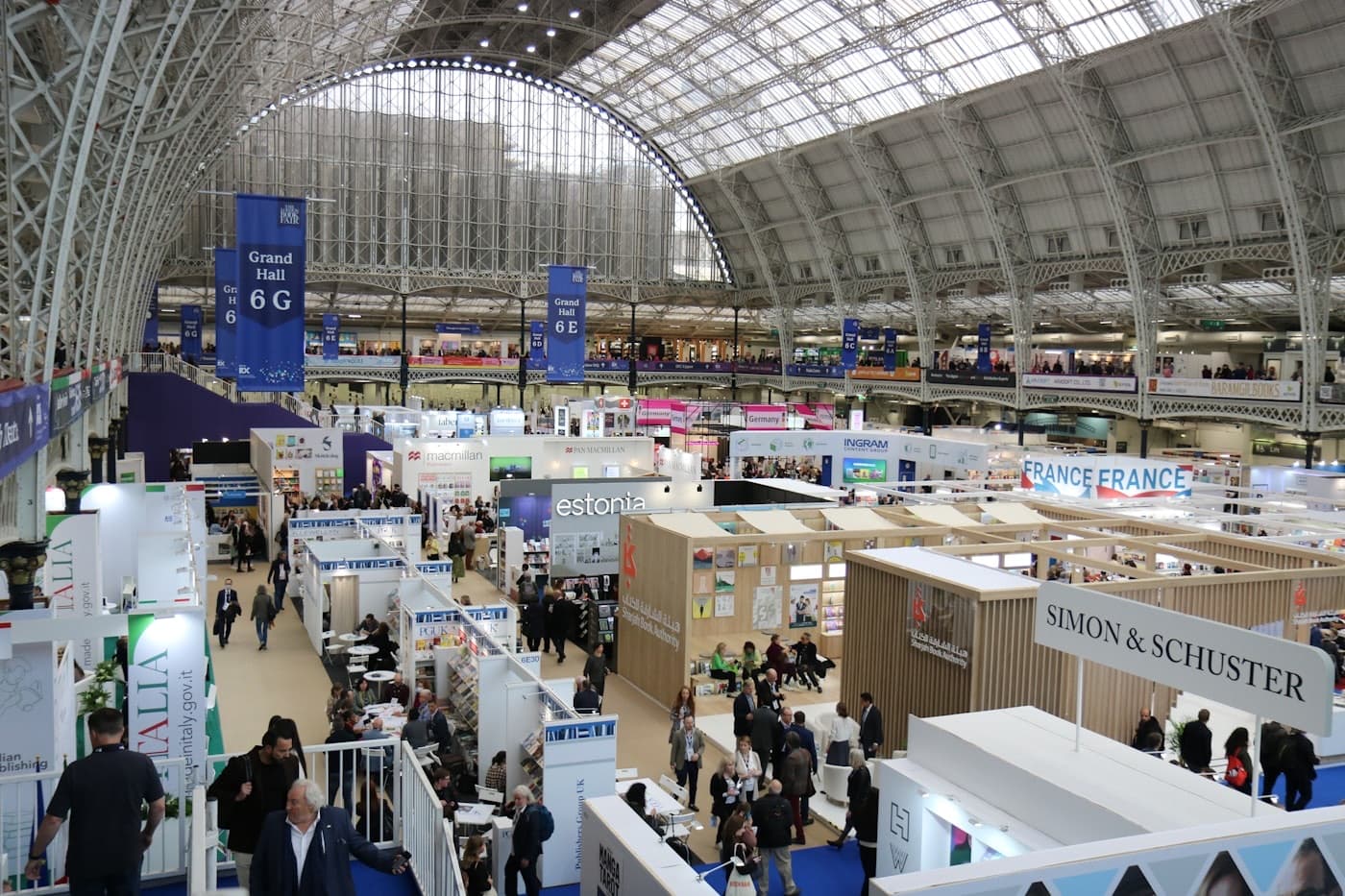
Here is the part exhibitors should sit with: when floor space grows, the number of booths grows with it. Attendee hours do not. A show that adds 30% more exhibitors does not add 30% more walking time to the day. The math gets harder for everyone in the aisle, and the brands that win are the ones who were already in an attendee's head before the badge got scanned.
That pre-show, on-floor and post-show attention is a video problem. It is not a bigger-banner problem.
The Three Windows Most Exhibitors Miss
Before the show. Buyers build their route days in advance. A 30-second vertical from your team saying who you are, what you're demoing, and where to find you does more to fill a booth than a printed floor plan ever will. Send it to your list, run it as paid social geofenced to the show's registrant audience, and post it the week prior.
During the show. This is the cheapest footage you will ever get: your product working, real buyers reacting, your engineers explaining something to a stranger who actually cares. One operator with a camera for two days can capture a year of content, and same-day clips published from the floor pull people who are still on-site.
After the show. Trade show leads go cold fast, and a text-only follow-up email competes with forty others. A short, named, personal video attached to the follow-up — even a 20-second phone clip that references the conversation — is the difference between a reply and a deleted thread.
What to Actually Film at a Houston Show
If you exhibit at the George R. Brown, NRG Center, or any regional show, this is the shot list worth building around:
- A 30-second pre-show invite, filmed in your own space, with booth number burned in
- A 60-to-90-second demo of the product doing the one thing buyers care about most, no narration required
- Three to five buyer-question answers filmed on the floor — the questions you get asked at every show, answered on camera once
- Unscripted floor reactions from customers who stopped by, captured in the moment rather than scheduled
- A recap cut for LinkedIn and your site, published within 72 hours while the show is still a topic
- Two or three follow-up clips built for one-to-one sending, not broadcast
That is one shoot, six deliverables, and a library that keeps working long after the carpet gets rolled up.
The Timing Advantage Nobody Talks About
GRB South opens in May 2028. That sounds far away, and it is the reason to start now rather than later.
Show organizers book Houston years in advance. Sales teams build relationships across multiple show cycles. A brand that spends 2026 and 2027 building a repeatable trade show content system — a shot list, a crew, a turnaround schedule — walks into a bigger, busier convention district with a machine already running. Everyone else will be figuring out on-site content while standing in a louder room.
Attention on a trade show floor is the most competitive attention there is. Every competitor is in the same building, on the same day, chasing the same badges. Video is what earns a stop, and craft is what makes the stop mean something.
Where Freddyville Fits
We shoot event and trade show content across Greater Houston, San Antonio, and Texas-wide — pre-show assets, on-floor capture, and fast-turn cutdowns designed to go out while the show is still live. Same crew, same look, every cycle.
If your team is exhibiting in Houston this year, start a project and we will build the shot list around your show calendar. If you want the broader picture first, our corporate video work in Houston is a good place to start.