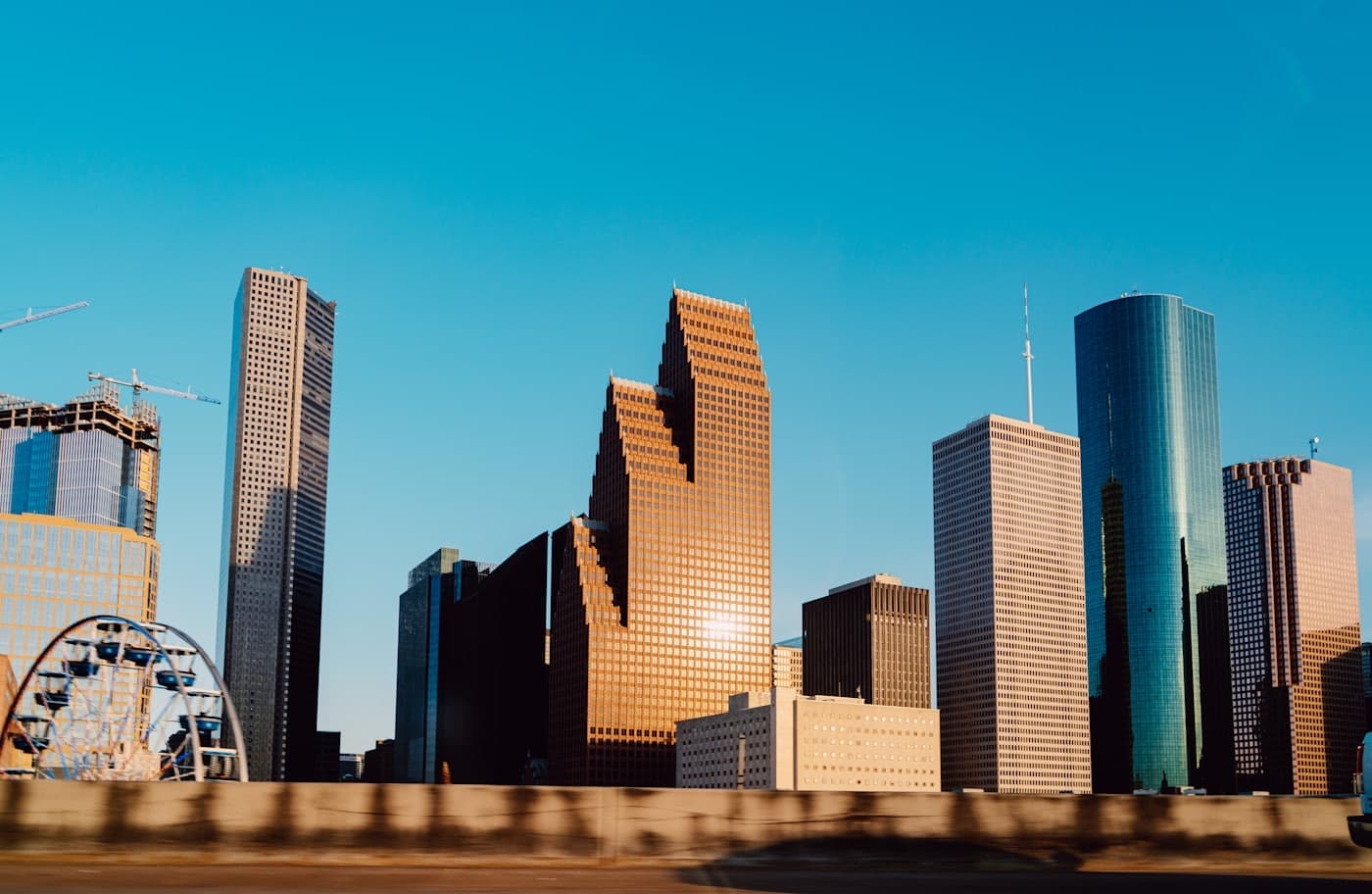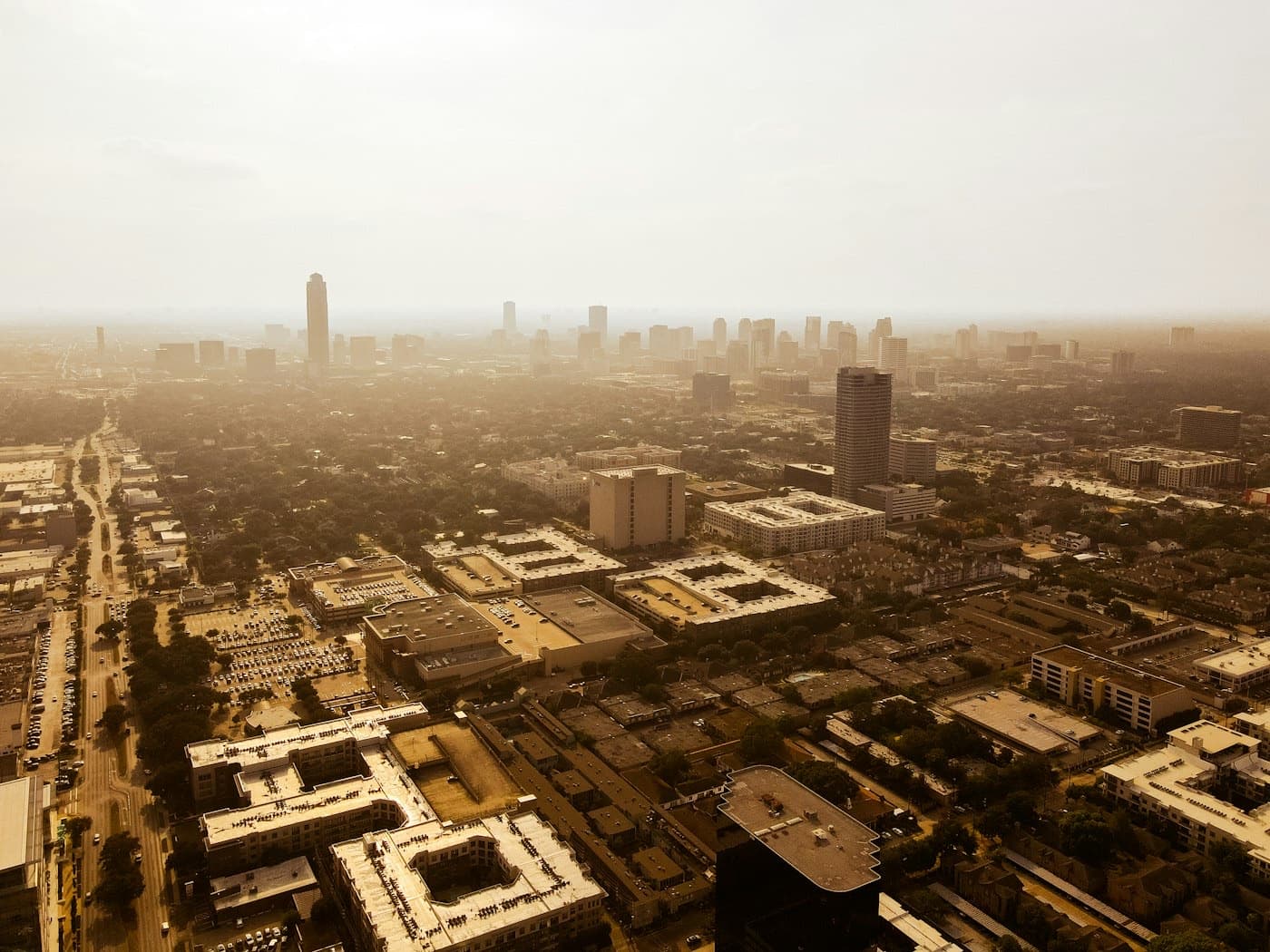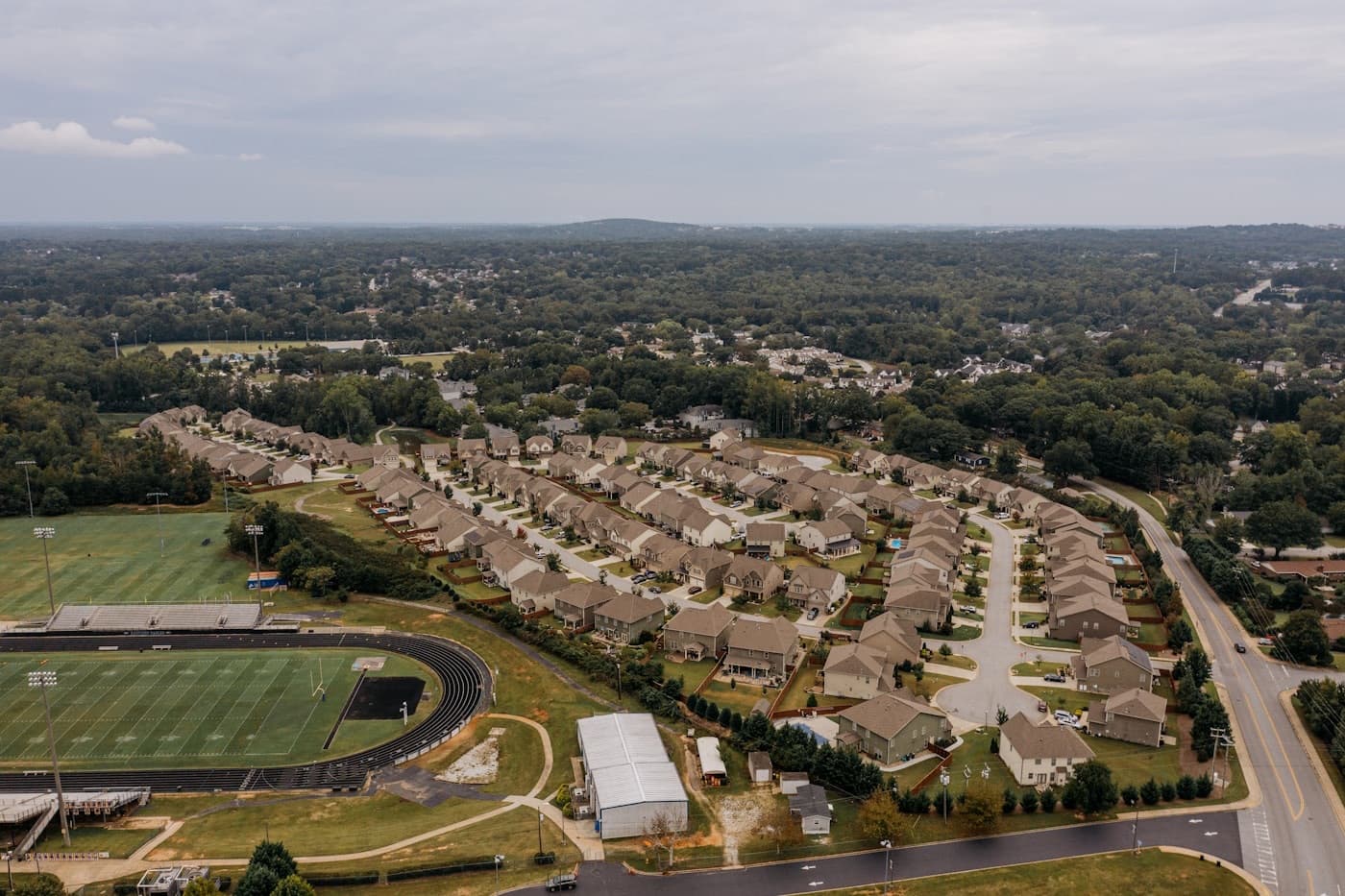
The Houston Texans, Howard Hughes Communities and Harris County plan to break ground on the 83-acre Toro District in Bridgeland in late 2026, with the team's headquarters and parts of the mixed-use district opening in 2029. For brands in Cypress, Katy, Waller and the rest of northwest Harris County, that gives you roughly three years of runway to become the known name in a market that is about to get a lot more crowded — and video is the cheapest way to use that runway.
What Toro District Actually Is
The plans were revealed in February 2026 and the renderings followed on February 25. The specifics:
- 83 acres inside Bridgeland Central, in northwest Harris County near Cypress
- A 22-acre Texans headquarters and training complex spanning more than 175,000 square feet, with an indoor fieldhouse, three outdoor NFL practice fields, and flexible event space sized for close to 16,000 attendees
- The rest of the district planned for retail, restaurant, hotel, entertainment, multifamily and medical space, plus flag football fields and room for 21 volleyball courts
- A public-private partnership between the Texans, Howard Hughes Holdings and Harris County
- An estimated $34 billion in long-term economic impact and more than 17,000 jobs across the region over time
- Community investment including parks and trail expansion, mobility upgrades, a future on-site Community Services Center, and education partnerships with Cypress-Fairbanks ISD, Waller ISD and Lone Star College
- Groundbreaking floated for late 2026, opening in 2029
Sources: Houston Texans, Houston Public Media
Why This Is a Marketing Story, Not a Sports Story
An NFL franchise moving its headquarters is a headline. What it does to a submarket is the part that should change your plan.
Houston's 10-county metro is already home to 7.9 million residents and added more than 126,700 people between July 2024 and July 2025, a 1.6% increase, according to the Greater Houston Partnership's Houston Facts 2026. A district anchored by a pro team, a hotel, a medical footprint and thousands of jobs pulls a meaningful share of that growth toward one corner of the map — and it pulls competitors with it.
That means the northwest corridor is about to get three things at once: more customers, more rooftops, and more businesses fighting for both. Every regional chain, every franchise group, every med spa and gym and restaurant concept looking at a Houston expansion is drawing a circle around Bridgeland right now.
The businesses already there have one durable advantage: time. Three years is enough to become the default answer before the default answer gets expensive.
The Land-Grab Window
Here is the pattern that repeats around every major district build in a growing metro. It runs in three phases, and each one gets more expensive.
Phase one — before the dirt moves. Attention is cheap. Local search volume is low, ad costs are low, and organic video reaches people because there is not much competing content about the area. Anything you publish now compounds.
Phase two — construction. Interest climbs, media coverage spikes, and new entrants start buying their way in. Costs rise. Your existing library becomes the reason you still show up.
Phase three — opening. Everyone is spending. The brands that built recognition in phases one and two convert at a fraction of the cost of the brands introducing themselves for the first time.
Most companies wait for phase three because that is when the customers are obvious. That is also when the attention is most expensive it will ever be.
What Northwest Houston Brands Should Be Filming Now
You do not need a district-sized budget. You need a rhythm and a point of view. The work that earns the most over a three-year window:
- Founder and team on camera, regularly. Recognition is a moat. A face people have seen forty times beats a logo they have seen once, and no new entrant can buy three years of familiarity.
- Proof over promises. The job, the kitchen, the shop floor, the actual result. Watchable proof converts better than adjectives and it stays useful for years.
- Neighborhood-anchored content. Cypress, Bridgeland, Katy, Tomball, Waller. Name the places. Local specificity is what makes a video findable and what makes a viewer feel like you are theirs.
- Customer voices from the area. Real people from the ZIP codes you serve, filmed properly, cut short.
- A running record of the change itself. Brands that document a market's growth become the source people follow for it. That is earned attention, not bought attention.
- One flagship film that defines you. A single piece built to last three years, that a new resident can watch and immediately understand who you are.
The Practical Version
If you run a business in the northwest corridor, the plan is not complicated:
Shoot a flagship piece this year that says clearly what you do and who you are for. Then keep a steady cadence of short, made-for-the-screen content going out every month — proof, faces, neighborhood, results — so that by the time the cranes are up you have hundreds of touchpoints in the market and a library you own outright.
The brands that will win the 2029 opening are not the ones with the biggest launch budget. They are the ones who spent 2026 and 2027 being watchable while nobody else was paying attention.
Houston's growth keeps proving the same thing: the region rewards whoever showed up early and kept showing up. Toro District is a three-year head start with a public deadline attached to it.
If you want a video program built for that window — one flagship piece plus a cadence that keeps working between now and groundbreaking — start a project and we will map it against your market. If you already know you need the anchor piece first, that is our Flagship Films work.