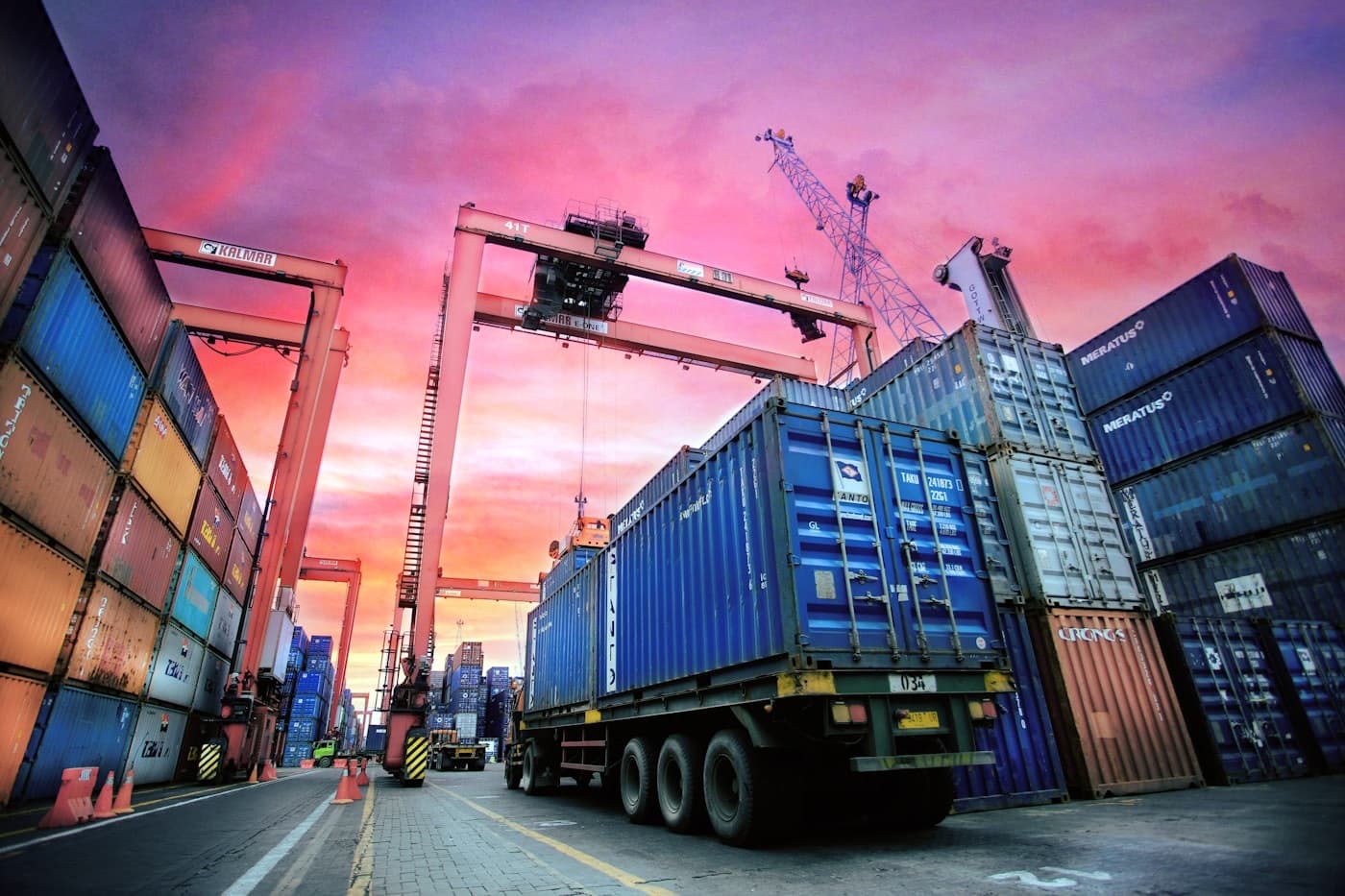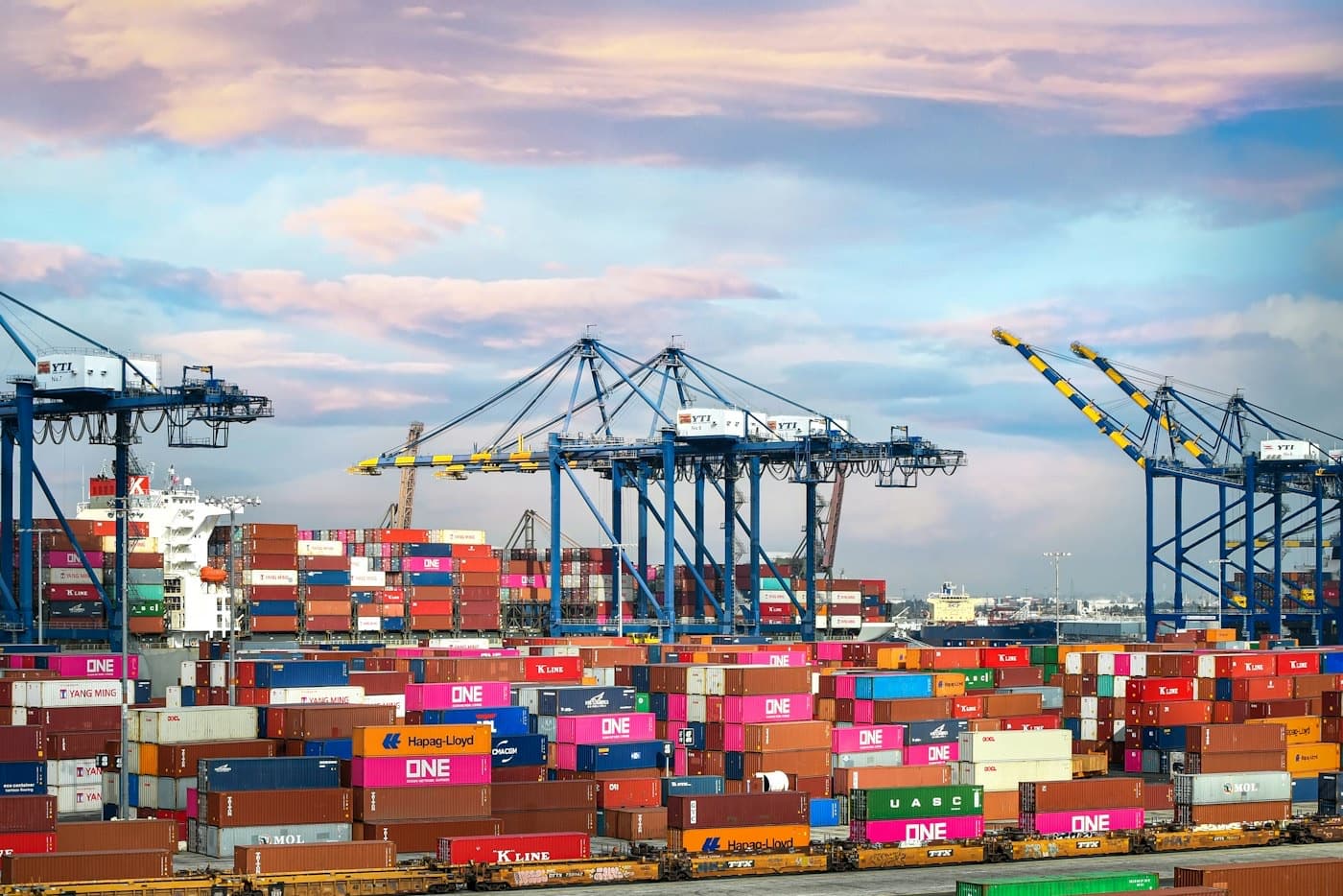
Port Houston moved 2.22 million TEUs in the first half of 2026, the most for any first half in its history. For the Houston logistics, trucking, warehousing, customs, and industrial companies that work around it, more volume means more competition for shippers, drivers, and contracts. Most of those companies still market themselves with a logo, a list of services, and a stock photo of a container ship. Short, specific video is the quickest way to stand out in a sector where nearly every website looks the same.
That's the short answer. Here's what the numbers say and what to film.
What the Port Houston Numbers Actually Say
The port closed 2025 with a record 4,303,345 TEUs, up 4% over 2024. (Port Houston) It then passed 1 million TEUs in the first quarter of 2026 and finished the first half at 2.22 million, up about 3% year over year. (Port Technology International)
The detail matters, because the growth is uneven:
- Imports are carrying the growth. In June alone, loaded imports jumped 27% to 177,097 TEUs.
- Container exports are flat. Loaded exports slipped 2% in June and were roughly flat for the first half.
- Energy exports are booming. The Greater Houston Partnership reports the region's exports surged 26.2%, driven largely by oil and liquid fuels. (Houston.org)
The same Greater Houston Partnership report says metro Houston added 50,300 jobs in the 12 months ending July 2026. That's 1.5% growth, about six times the national rate and the fastest among the country's 20 largest metros.
Put simply, more freight is landing in Houston, and it has to be trucked, warehoused, cleared, and distributed across Texas and beyond. Each of those steps is a business that is trying to win new customers right now.
Why Logistics Brands Have an Attention Problem
Freight and logistics is one of Houston's biggest industries and one of its least visible online. Look at the websites of a dozen local drayage carriers, 3PLs, or customs brokers and you'll see the same thing: a hero image of cranes, a list of services, and a phone number.
That's a problem, because the people choosing between you are comparing options you can't see:
- Shippers and procurement teams want proof you can handle volume without missing appointments.
- Drivers and warehouse workers are picking between employers in one of the tightest labor markets in the country.
- Manufacturers and importers that are new to Houston want to know who is reliable before they sign.
A capabilities PDF can't earn that trust. A 60-second walkthrough of your yard, your dispatch floor, and your people can.
Five Videos That Earn Business Around the Port
You don't need a big campaign. These five formats do most of the work for Houston freight and trade companies:
- The facility walkthrough. Film a two-minute tour of your warehouse, yard, or cross-dock: dock doors, racking, security, and the tech you use for tracking. This is the video a procurement lead forwards to their boss.
- The "day in the lane" story. Follow one load from the terminal gate to the customer's dock. It shows your process without a single bullet point.
- Driver and warehouse recruiting spots. Short vertical clips of real drivers and pickers talking about pay, home time, equipment, and the people they work with. When a region is adding jobs this quickly, recruiting video pays for itself.
- Customer proof. A plant manager or importer explaining, on camera, what changed after they switched to you. One real customer on screen beats ten logos.
- Leadership explainers. Short takes from your owner or operations lead on tariffs, import timing, or peak-season planning. These build authority on LinkedIn, where freight buyers actually spend time.
Each one can be cut into vertical versions for LinkedIn, Instagram, TikTok, and YouTube Shorts, plus a longer version for your website and sales emails.
Film the Real Operation, Not the Stock Version
The biggest mistake in industrial video is hiding the actual work. Buyers have seen the drone shot of a container ship a hundred times. What they haven't seen is your dispatcher solving a problem at 5 a.m., your forklift operator's safety routine, or your team loading a trailer in August heat.
A few production rules we follow on industrial and logistics shoots:
- Plan around operations. Schedule filming for real activity, and build in the site-safety requirements, PPE, and access approvals ahead of time.
- Keep it human. Every video should include at least one employee talking to camera. Equipment is interchangeable; people are the part competitors can't copy.
- Design for the phone first. Frame for vertical, add captions, and put the payoff in the first three seconds. Most first views happen on a phone during a commute or between meetings.
- Shoot once, cut many. One well-planned production day should give you a hero video, recruiting clips, and a month of social posts.
What This Means for Houston Brands Beyond Freight
The port's growth spreads well past the ship channel. Industrial real estate developers, equipment dealers, fuel and fleet services, staffing agencies, and even restaurants and retailers along the east-side corridors from Pasadena to Baytown and La Porte all benefit when freight volume climbs. If your customers work near the port, their calendars and budgets are about to get busier. Your marketing should reflect that.
The Bottom Line
Port Houston is setting records, the region is adding jobs faster than any other large U.S. metro, and the companies that move, store, and clear that freight are competing for the same customers and workers. The ones that show their real operation on camera, with real people, clear proof, and edits made for the screen, will be the ones buyers remember when it's time to sign.
If you run a Houston logistics, freight, or industrial business and want video that drives contracts and hires, start a project with Freddyville Media. Our Always-On Content team can turn one shoot day at your facility into months of watchable, scroll-stopping content.